

When people ask “what is halal chicken?” they are often not just looking for a religious explanation—they want clarity about food quality, ethical sourcing, humane treatment of animals, cleaner preparation, and whether halal chicken tastes better, cooks better, and supports a healthier lifestyle. At Chickasta, where high-quality chicken dishes are a core part of our identity, we believe understanding halal chicken is essential for making more informed choices about what you eat.
Halal chicken is more than just a type of meat. It is a production process, an ethical guarantee, a health-focused standard, and a trust-based food system followed by millions around the world. Whether you are Muslim or not, knowing what is halal chicken helps you appreciate why halal products are becoming more popular globally—especially for people who care about hygiene, humane treatment of animals, and overall food quality.
This guide will explain what is halal chicken, how it is prepared, why it matters, and how Chickasta ensures the food served meets strict halal standards consistently.
What Does “Halal” Mean?
The word halal comes from Arabic, meaning permissible or lawful under Islamic dietary law.
When we talk about halal chicken, we refer to chicken that meets ALL Islamic dietary guidelines related to:
-
Slaughter method
-
Food safety and purity
-
Ethical treatment
-
Proper handling
-
Absence of forbidden substances
This distinguishes halal from non-halal chicken, which may not meet these standards.
How Halal Chicken Is Prepared: Step-By-Step Explanation
Understanding what is halal chicken requires knowing the process from beginning to end. At Chickasta, we prioritize suppliers who follow each step precisely.
1. The Chicken Must Be Healthy
Only healthy, disease-free birds can be slaughtered. This ensures:
-
Higher quality meat
-
Better flavor
-
Safety for consumers
2. The Slaughter Must Be Done by a Sane Adult Muslim
This is mandatory in Islamic law and ensures the intention of halal slaughter is correct.
3. The Method of Slaughter (Zabihah)
The method involves:
-
Using a sharp knife
-
Cutting the main veins and arteries in the neck
-
Not cutting the spinal cord
-
Ensuring quick and minimal pain
4. The Name of God Must Be Mentioned
The slaughterer says:
“Bismillah, Allahu Akbar”
(“In the name of God, God is the Greatest.”)
This acknowledges respect for the life being taken for food.
5. Complete Blood Drainage
In halal slaughter, the blood must drain out fully because:
-
Blood is not allowed to be consumed
-
Blood is a medium for bacteria
-
Removing it increases shelf life and purity
6. Processing, Cleaning & Packaging Must Be Halal
Halal chicken cannot be:
-
Mixed with non-halal meats
-
Processed with alcohol
-
Stored in equipment that mixes pork or forbidden items
At Chickasta, we maintain strict separation from non-halal items to ensure purity at every step.
Why Halal Chicken Has Become So Popular — Even Among Non-Muslims
In many regions such as Canada, UK, Australia, and the US, people specifically ask not just what is halal chicken, but why it is becoming more popular. The reasons include:
1. Cleaner Meat
The drainage of blood leads to:
-
Fresher taste
-
Longer shelf life
-
Lower microbial growth
2. Humane Treatment
The process requires:
-
Healthy living conditions
-
Reduced animal suffering
-
Ethical farming practices
3. No Harmful Additives
Halal standards prohibit:
-
Toxins
-
Contaminated feed
-
Hazardous chemicals
-
Certain antibiotics
4. Trusted Quality
Many consumers feel halal chicken is more trustworthy because the rules ensure traceability, accountability, and oversight.
What Is Halal Chicken vs Regular Chicken?
Key Differences You Should Know
Halal Chicken
-
Humanely raised
-
Slaughtered with religious intention
-
Blood is fully drained
-
Processed with strict hygiene
-
No cross-contamination
Non-Halal Chicken
-
No guarantee how the chicken lived
-
Stunning may or may not be used properly
-
Blood often remains inside the meat
-
Mixed with other meats in packaging
-
No oversight on feed purity
This is why many restaurants and households—even those not following Islamic dietary rules—prefer halal chicken for its cleanliness, taste, and ethical advantages.
Is Halal Chicken Healthier?
Many nutritionists believe halal chicken is often healthier because:
-
Lower blood content reduces bacteria
-
Cleaner processing improves freshness
-
Restrictions on toxins produce higher-quality meat
At chickasta, customer reviews consistently note:
-
Better flavor
-
Better texture
-
Less unpleasant odor
-
More natural taste
These benefits make halal chicken a preferred choice for many families.
Does Halal Chicken Taste Different?
Yes—many people notice that halal chicken:
-
Tastes cleaner
-
Absorbs marinades better
-
Has a fresher smell
-
Cooks more evenly
Because the blood is drained, the final meat has:
-
A lighter color
-
A firmer texture
-
A more natural flavor
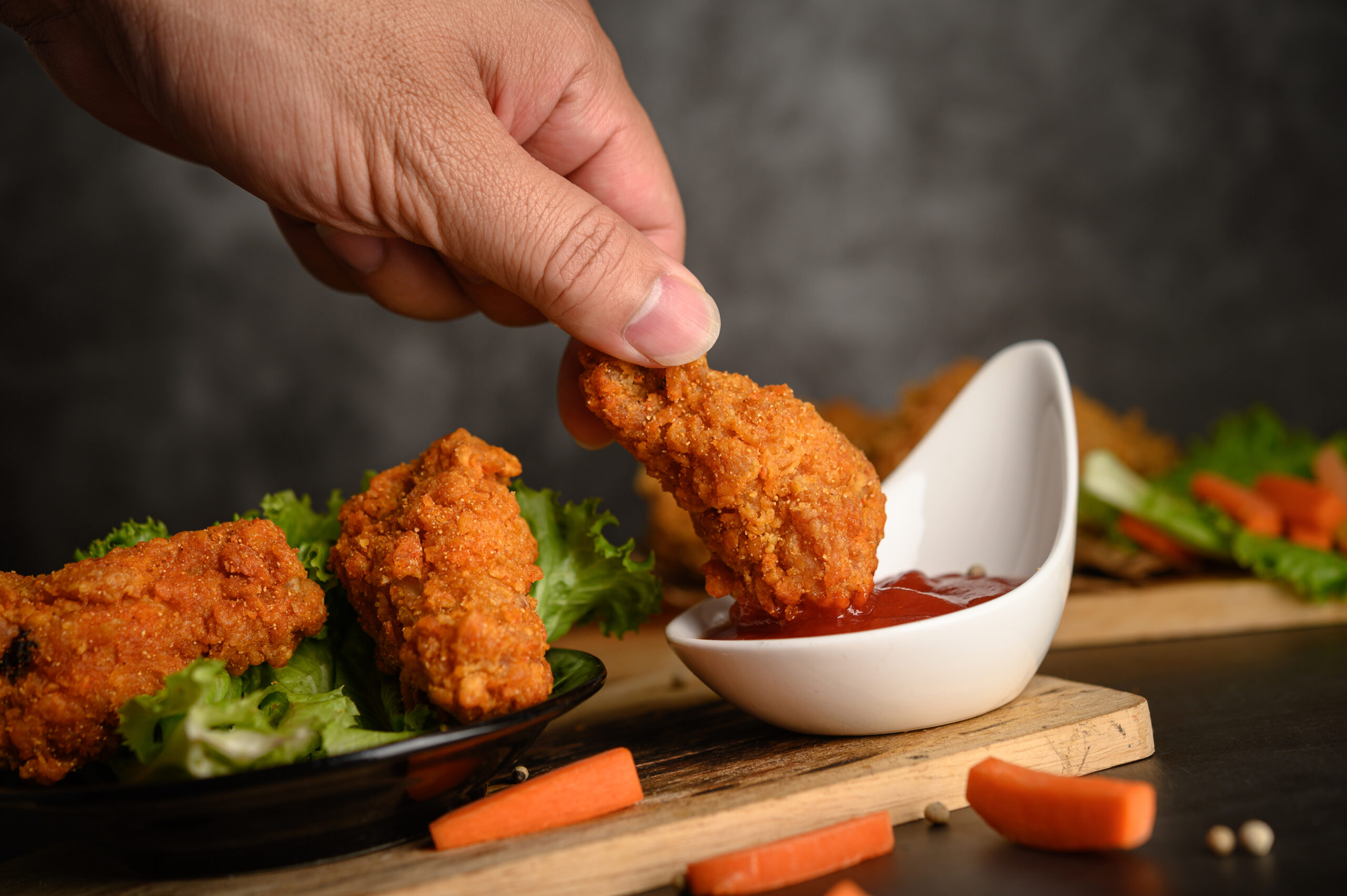
At Chickasta, chefs often say halal chicken “cooks with less mess and more flavor,” making it ideal for dishes like wings, grilled plates, and crispy chicken recipes.
Halal Chicken in Canada, the US, and Global Markets
People often search what is halal chicken in Canada, halal chicken restaurants near me, or halal chicken in Vancouver.
Why? Because the demand in Western countries has exploded due to:
-
Large Muslim populations
-
Growing awareness of humane slaughter
-
Social media food trends
-
Restaurants like Chickasta offering premium halal options
Today, halal chicken is served widely in:
-
Fast-food restaurants
-
Fine-dining restaurants
-
Grocery stores
-
Online delivery platforms
Pros & Cons Table for Halal Chicken
| Pros of Halal Chicken | Cons of Halal Chicken |
|---|---|
| Cleaner, safer meat | Can be more expensive |
| Humane and ethical slaughter | Limited availability in some regions |
| No cross-contamination with forbidden items | Requires certification verification |
| Better taste and texture | Not all restaurants maintain true halal standards |
| Healthier due to blood drainage | Mislabeling sometimes occurs |
| Higher hygiene standards | Requires awareness to find trusted sources |
| Supports ethical farming | Cultural misunderstandings exist |
Expert Insights from Chickasta
At Chickasta, serving halal chicken is not just a label—it’s a commitment. We ensure:
-
Proper supplier certification
-
Strict separation from non-halal items
-
Freshness in every batch
-
Ethical sourcing
-
Quality inspections
Our culinary team has years of experience preparing halal chicken dishes that highlight its natural taste and tenderness. The cooking techniques we use—such as slow marination, fresh seasoning, and high-temperature frying—pair perfectly with halal chicken’s cleaner structure.
Customers often say that Chickasta provides:
-
“The crispiest halal chicken wings ever”
-
“Clean flavor with no greasy aftertaste”
-
“Chicken that feels lighter but more satisfying”
These are the real-world experiences of people who eat halal chicken for both taste and trust.
Frequently Asked Questions (FAQ)
1. What is halal chicken?
Halal chicken refers to chicken prepared according to Islamic dietary laws, including ethical slaughter, blood drainage, hygiene, and proper handling.
2. Is halal chicken healthier than regular chicken?
Many believe it is healthier because the blood is drained, the meat is cleaner, and farming standards are stricter.
3. Does halal chicken taste different?
Yes, it often tastes fresher, lighter, and cleaner due to full blood removal and absence of impurities.
4. Is halal chicken only for Muslims?
No. Many non-Muslims prefer halal chicken because of its ethical and hygienic benefits.
5. How do I know if chicken is halal?
Look for certification, ask the restaurant, or check for reliable branding such as Chickasta.
6. Is halal slaughter painful for chickens?
Halal rules require minimizing suffering by using a swift, sharp cut and ensuring the bird is healthy.
7. Can halal chicken be organic?
Yes, halal and organic can coexist if both standards are followed.
8. Why is halal chicken more expensive?
Because the process is stricter, more ethical, and requires certified oversight.
9. Is frozen halal chicken still halal?
Yes, as long as it was slaughtered and processed properly before freezing.
10. Does Chickasta serve 100% halal chicken?
Yes, Chickasta is fully committed to authentic halal standards across all chicken products.
Related posts
Popular Posts
-
 Ring-A-Wing – Order Wings Online & Satisfy Your Cravings
January 15, 2026 -
 Best Mutton Rolls Near Me – Chickasta’s Signature Street Food Delight
September 24, 2025 -
The Best Dosa in Langley – Authentic South Indian Cuisine at Chickasta
September 25, 2025 -
Where to Find the Best Samosas in Vancouver: A Complete Guide by Chickasta
September 27, 2025 -
Best Samosas in Vancouver – The Ultimate Chickasta Guide for Food Lovers
September 27, 2025
 Ring-A-Wing – Order Wings Online & Satisfy Your Cravings
  Best Mutton Rolls Near Me – Chickasta’s Signature Street Food Delight
  The Best Dosa in Langley – Authentic South Indian Cuisine at Chickasta
  Where to Find the Best Samosas in Vancouver: A Complete Guide by Chickasta
  Best Samosas in Vancouver – The Ultimate Chickasta Guide for Food Lovers
Recent Comments