


When people think about chicken wings, they often imagine irresistible flavor, crispy skin, tangy sauces, and the familiar comfort of a popular favorite. But beyond taste, understanding the nutritional info chicken wings has become increasingly important for anyone who wants to maintain a balanced diet, track macros, lose weight, gain muscle, or simply make healthier eating choices. At Chickasta, we know how essential it is for our visitors to get accurate, detailed, and expertly written information about the foods they love.
Whether you enjoy wings baked, fried, grilled, sauced, or dry-rubbed—your nutritional intake changes dramatically depending on preparation methods. That’s why this comprehensive guide breaks down every detail related to nutritional info chicken wings, helping you make smart choices without sacrificing flavor or enjoyment.
Why Understanding Nutritional Info Chicken Wings Matters
Chicken wings are a beloved staple worldwide, but most people underestimate how dramatically the nutritional values change depending on:
-
Preparation method (fried, baked, grilled, air-fried)
-
Sauce type (buffalo, BBQ, teriyaki, garlic parmesan)
-
Portion sizes (drumettes vs. flats, bone-in vs. boneless)
-
Skin-on or skin-removed versions
-
Cooking oils used
-
Added sugars in sauces
-
Breaded vs. unbreaded coating
This guide will help you explore how each of these factors affects the nutritional info chicken wings, so you can choose the best version for your lifestyle or diet plan. At Chickasta, we believe food should be enjoyed—but it should also be understood.
Basic Nutritional Info Chicken Wings (Standard Values)
Below is the approximate nutritional breakdown for 1 medium chicken wing (bone-in, skin-on, roasted).
| Nutrient | Amount per Wing |
|---|---|
| Calories | 43–45 kcal |
| Protein | 3.5–4 g |
| Total Fat | 3–3.5 g |
| Carbohydrates | 0 g |
| Fiber | 0 g |
| Sodium | 110–120 mg |
| Cholesterol | 16–18 mg |
These numbers shift significantly based on seasoning, sauces, and cooking technique. In later sections, Chickasta provides a full comparison chart of multiple wing types.
Nutritional Info Chicken Wings by Cooking Method
Cooking method has the single biggest impact on nutritional info chicken wings.
Fried Chicken Wings Nutritional Info
Frying increases calories and fat because wings absorb oil.
Per 1 Fried Wing (Medium Size):
-
Calories: 90–110 kcal
-
Protein: 4–5 g
-
Fat: 6–8 g
-
Carbs: 0–5 g (higher if breaded)
-
Sodium: 150–200 mg
Fried wings are delicious, crispy, and satisfying—but also contain more saturated fat and often additional carbs when breaded.
Baked Chicken Wings Nutritional Info
Baking reduces the calorie and fat content while preserving great flavor.
Per 1 Baked Wing:
-
Calories: 40–55 kcal
-
Protein: 3–4 g
-
Fat: 2.5–3.5 g
-
Carbs: 0 g
-
Sodium: 100–120 mg
This version is a chickasta favorite for health-conscious eaters.
Grilled Chicken Wings Nutritional Info
Grilling allows fat to drip away while adding smoky flavor.
Per 1 Grilled Wing:
-
Calories: 35–50 kcal
-
Protein: 3–4 g
-
Fat: 2–3 g
-
Carbs: 0 g
-
Sodium: 90–110 mg
Great option for keto, paleo, and high-protein diets.
Air-Fried Chicken Wings Nutritional Info
Air-frying mimics frying with a fraction of the oil.
Per 1 Air-Fried Wing:
-
Calories: 45–60 kcal
-
Fat: 3–4 g
-
Protein: 3.5–4 g
-
Carbs: 0 g
-
Sodium: 100–150 mg
This method gives crispiness without the deep-frying guilt—another chickasta recommended choice.
Nutritional Info: Chicken Wings with Common Sauces
Sauces dramatically increase calories, carbs, and sugars, especially sweet ones.
Below is the approximate nutritional impact per 2 tablespoons:
Buffalo Sauce
-
+40 calories
-
+4 g fat
-
+1 g carbs
BBQ Sauce
-
+70 calories
-
+15–18 g carbs (mostly sugar)
Garlic Parmesan
-
+100–130 calories
-
+12 g fat
Teriyaki
-
+45–60 calories
-
+10–12 g carbs
Honey Garlic
-
+80–110 calories
-
+15–20 g carbs (high sugar content)
Lemon Pepper (Dry Rub)
-
+15–20 calories
-
Mainly sodium added
When calculating nutritional info chicken wings, sauces often double or triple the total calories.
Bone-In vs. Boneless Chicken Wings Nutritional Comparison
Contrary to popular belief, boneless wings are not wings at all—usually breast meat coated and fried.
Per Boneless Wing (Medium Size):
-
Calories: 90–120 kcal
-
Fat: 6–8 g
-
Carbs: 4–8 g
-
Protein: 5–6 g
Per Bone-In Wing:
-
Calories: 40–110 kcal (depending on cooking method)
-
Carbs: 0–2 g
-
Protein: 3–5 g
Boneless wings have more calories because they are:
-
breaded
-
deep-fried
-
larger in size
-
coated heavily in sauce
Chickasta suggests bone-in for health-conscious eaters.
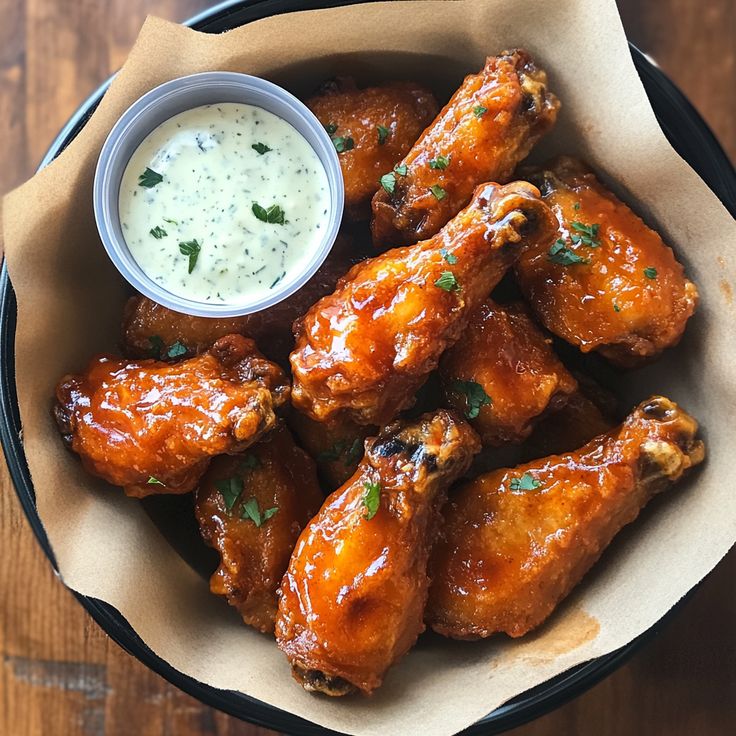
How Many Calories in 6, 10, or 12 Chicken Wings?
Portion size drastically changes your intake. Below are estimates for dry, baked wings, the healthiest option.
6 Baked Wings
-
240–300 calories
10 Baked Wings
-
400–500 calories
12 Baked Wings
-
500–600 calories
If fried:
Multiply by 1.8–2.2x depending on oil absorption.
Protein Content – Why Chicken Wings Are Great for Muscle Growth
Wings are surprisingly high in protein relative to their size. In nutritional info chicken wings, protein is one of the strongest factors supporting health benefits.
Per 10 Wings (Grilled/Baked):
-
35–50 grams of protein
This makes chicken wings:
-
useful for gym-goers
-
great for high-protein diets
-
beneficial for tissue repair
-
ideal for low-carb lifestyles
Chickasta nutrition experts note that wings become even better when paired with low-sugar sauces and grilled preparations.
Fat Content – Healthy Fats vs. Unhealthy Additions
Fat is the most misunderstood part of the nutritional info chicken wings breakdown.
Healthy Aspects
-
Natural fat from chicken provides energy
-
Helps with vitamin absorption
-
Adds flavor and satiation
Unhealthy Aspects
-
Deep frying adds trans fats
-
Flavored oils increase calories
-
Creamy sauces introduce saturated fats
At chickasta, we always recommend:
-
grilled
-
baked
-
air-fried
wings for maximum health benefits.
Carbs in Chicken Wings – Zero-Carb Food?
Plain chicken wings contain 0 grams of carbs.
However, the moment you add:
-
breading
-
breadcrumbs
-
flour coating
-
sugar-based sauces
-
honey glazes
Carbohydrates increase quickly.
This is crucial for those following:
-
keto
-
low-carb
-
diabetic-friendly diets
Chickasta encourages carb-conscious eaters to use dry rubs instead of sugary sauces.
Vitamins & Minerals in Chicken Wings
Chicken wings offer more micronutrients than most people expect:
-
Iron: supports healthy blood function
-
Zinc: boosts immunity
-
Phosphorus: enhances bone strength
-
Vitamin B6: supports energy production
-
Niacin (B3): improves metabolism
These micronutrients are often overlooked in other nutritional guides, but Chickasta ensures a full breakdown to help readers follow healthier choices.
Nutritional Info Chicken Wings – Full Comparison Chart
| Type of Wing | Calories | Protein | Fat | Carbs | Notes |
|---|---|---|---|---|---|
| Baked Wing | 40–55 | 3–4 g | 2.5–3.5 g | 0 g | Best balance |
| Grilled Wing | 35–50 | 3–4 g | 2–3 g | 0 g | Great for low-carb diets |
| Air-Fried Wing | 45–60 | 3–4 g | 3–4 g | 0 g | Crispy & healthy |
| Deep-Fried Wing | 90–110 | 4–5 g | 6–8 g | 0 g | High fat |
| Breaded Wing | 120–160 | 4–6 g | 7–10 g | 6–12 g | Carbs from breading |
| Boneless Wing | 90–120 | 5–6 g | 6–8 g | 4–8 g | Not actual wings |
Health Benefits of Eating Chicken Wings
Despite their reputation as “cheat food,” there are several benefits.
1. Excellent Protein Source
Supports muscle growth, hunger control, and recovery.
2. Good for Low-Carb & Keto Diets
Plain wings contain zero carbs.
3. Rich in Essential Vitamins
Especially B vitamins and minerals.
4. Boosts Satiety
Fat + protein keeps you full for hours.
5. Energy-Dense
Perfect for individuals with high caloric needs (athletes, active workers).
Chickasta often includes wings in meal plans for athletes due to their macro balance.
Health Risks of Eating Chicken Wings Frequently
Understanding nutritional info chicken wings also means knowing the drawbacks.
1. High Sodium
Many sauces and seasonings are salt-heavy.
2. Excess Calories in Fried Versions
Leads to weight gain if not portion-controlled.
3. Added Sugars in Sauces
BBQ and honey sauces can be surprisingly high in sugar.
4. Saturated Fat
Creamy sauces and frying oils increase unhealthy fats.
5. Portion Misjudgment
People often eat 10–20 wings without noticing.
Chickasta emphasizes moderation while enjoying flavorful meals.
How to Make Chicken Wings Healthier
1. Choose Better Cooking Methods
-
Grill
-
Bake
-
Air fry
2. Remove Excess Skin
Lower fat by 25–30%.
3. Avoid High-Sugar Sauces
Swap BBQ for:
-
hot sauce
-
lemon pepper
-
dry rub
4. Use Healthier Oils
-
olive oil
-
avocado oil
5. Watch Portions
Stick to 6–10 wings for a balanced meal.
Chickasta-approved cooking methods drastically reduce calorie load without sacrificing flavor.
Best Low-Calorie Chicken Wing Recipes (Chickasta Recommendations)
Below are a few expert-approved recipes that align with the nutritional info shared earlier.
1. Lemon Pepper Grilled Wings
-
Low calories
-
Zero carbs
-
High flavor
2. Air-Fried Garlic Herb Wings
-
Crispy texture
-
Minimal oil
-
Great for weight loss diets
3. Spicy Buffalo Baked Wings
-
Classic taste
-
Lower fat than fried
4. Salt & Vinegar Dry Rub Wings
-
Zero sugar
-
Tangy punch
-
Very low calories
Chickasta chefs frequently use these variations for meal plans and healthy menu collections.
Pros & Cons of Eating Chicken Wings
| Pros | Cons |
|---|---|
| High in protein | Can be high in fat when fried |
| Zero carbs (plain wings) | Sauces add sugars & calories |
| Versatile cooking options | High sodium in flavored wings |
| Delicious & satisfying | Easy to overeat |
| Budget-friendly protein | Breaded wings add carbs |
How Chicken Wings Fit Into Popular Diets
1. Keto Diet
Perfect fit (0 carbs), especially grilled or baked.
2. Low-Carb Diet
Excellent option; avoid sugared sauces.
3. High-Protein Diet
Provides steady amino acids for muscle support.
4. Paleo Diet
Choose dry rubs and clean oils.
5. Weight Loss Diet
Best if:
-
grilled
-
baked
-
skin removed
Chickasta nutritionists often include wings for keto meal clients because they balance taste and macros.
Frequently Asked Questions – Nutritional Info Chicken Wings
1. Are chicken wings high in calories?
They can be — fried wings are calorie-dense, but grilled or baked versions are much lower.
2. Are chicken wings healthy?
Yes, if cooked properly and eaten in moderation. Baked or grilled wings are healthier than deep-fried ones.
3. How many calories in 10 fried wings?
Approximately 900–1100 calories, depending on sauces.
4. Are boneless wings healthier?
No, they are usually breaded and fried, making them higher in calories and carbs.
5. Do chicken wings have carbs?
Plain wings have zero carbs. Sauces and breading add carbs.
6. Which wing flavor is the healthiest?
Dry rub flavors like lemon pepper, Cajun, or plain salt-and-pepper.
7. Are wings good for weight loss?
Yes — when grilled or baked without sugary sauces.
8. Does skin affect nutrition?
Yes, skin increases fat content. Removing it lowers calories.
9. Are chicken wings high in protein?
Absolutely. A 10-wing serving can offer up to 50 grams of protein.
10. How do I lower calories in chicken wings?
Use an air fryer, avoid breading, remove skin, and choose dry rubs over sauces.
Related posts



Popular Posts
-
 Ring-A-Wing – Order Wings Online & Satisfy Your Cravings
January 15, 2026 -
 Best Mutton Rolls Near Me – Chickasta’s Signature Street Food Delight
September 24, 2025 -
The Best Dosa in Langley – Authentic South Indian Cuisine at Chickasta
September 25, 2025 -
Where to Find the Best Samosas in Vancouver: A Complete Guide by Chickasta
September 27, 2025 -
Best Samosas in Vancouver – The Ultimate Chickasta Guide for Food Lovers
September 27, 2025
 Ring-A-Wing – Order Wings Online & Satisfy Your Cravings
  Best Mutton Rolls Near Me – Chickasta’s Signature Street Food Delight
  The Best Dosa in Langley – Authentic South Indian Cuisine at Chickasta
  Where to Find the Best Samosas in Vancouver: A Complete Guide by Chickasta
  Best Samosas in Vancouver – The Ultimate Chickasta Guide for Food Lovers
Recent Comments