

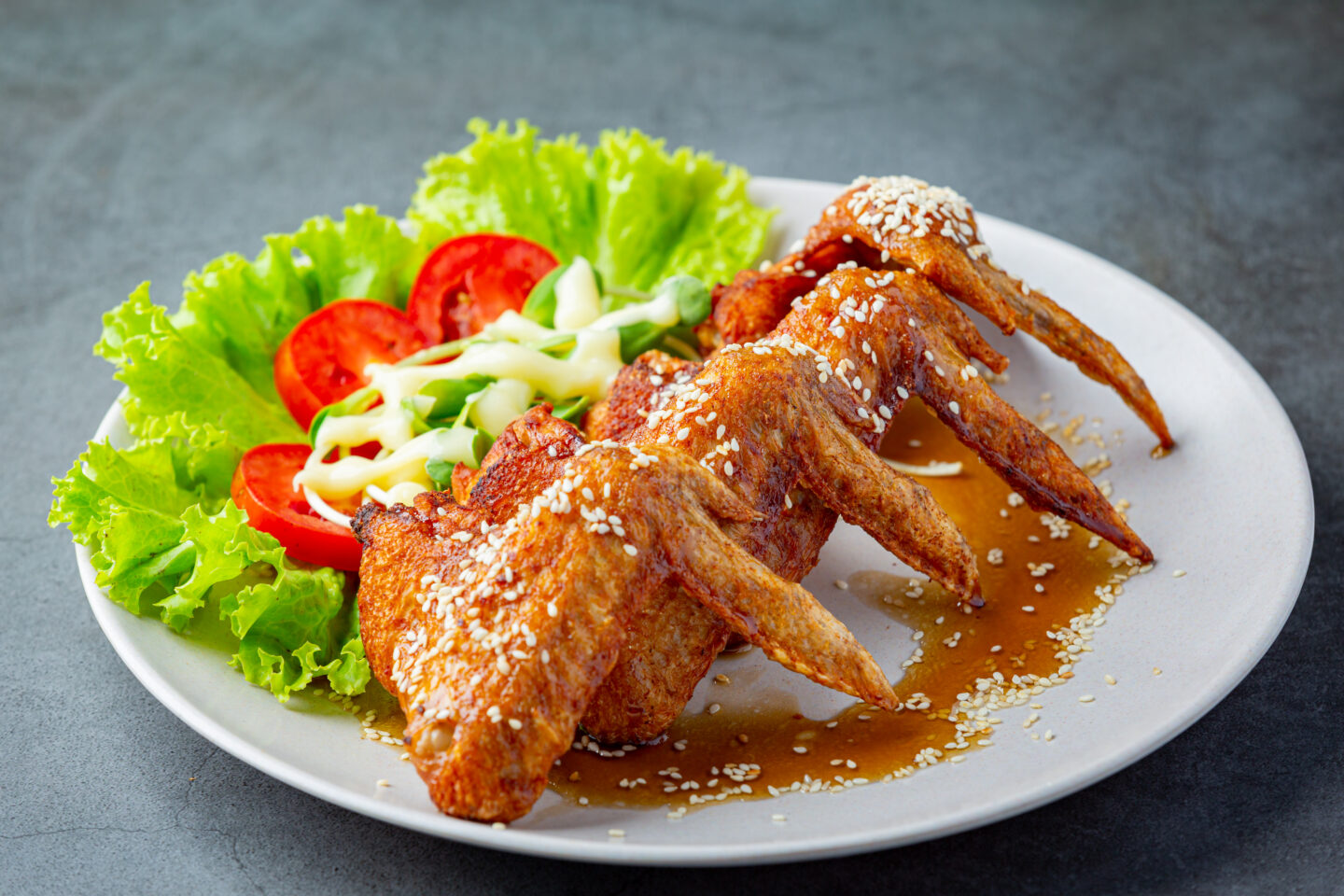
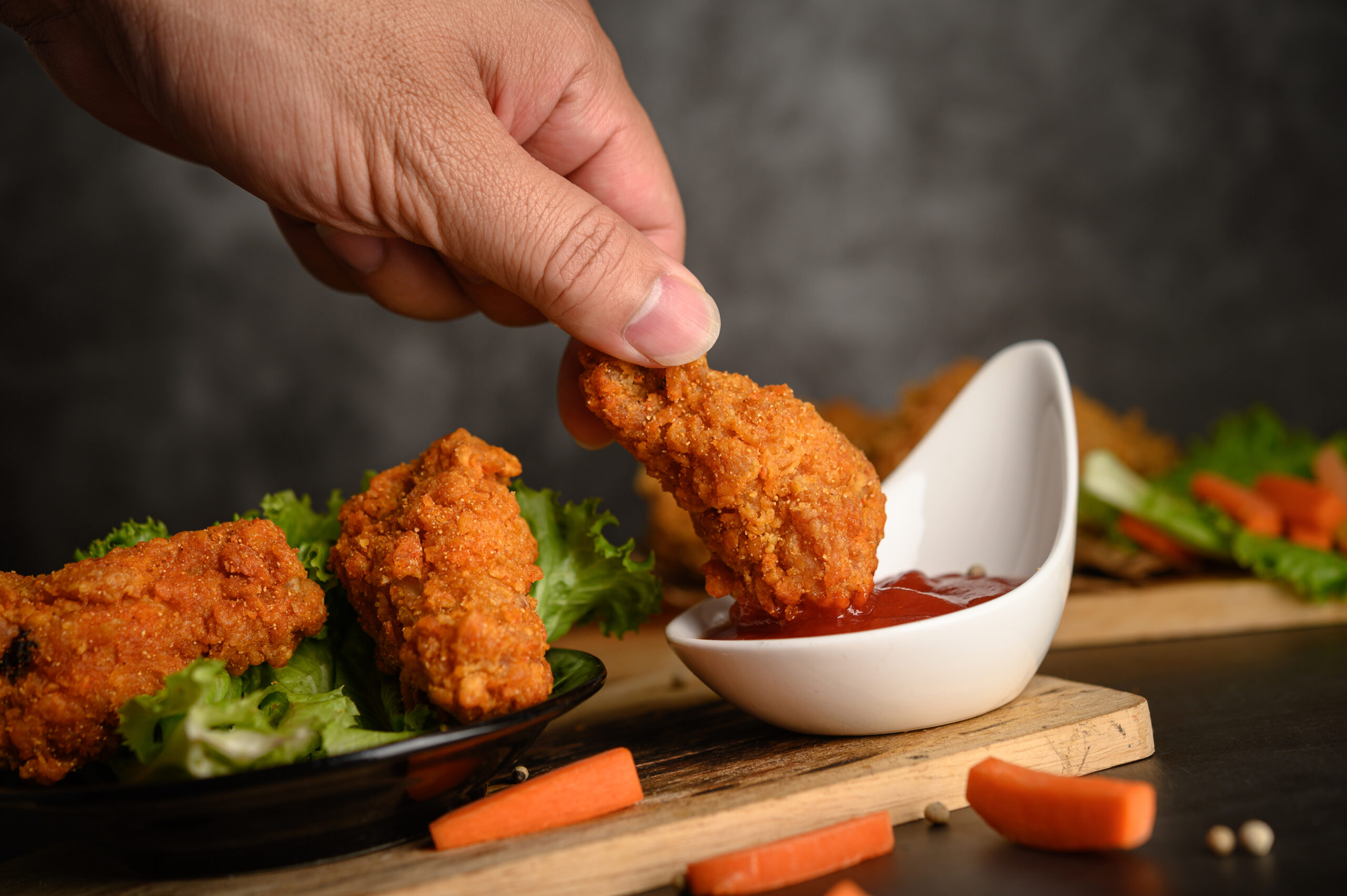
When people ask how much protein in one chicken wing, they are usually trying to make smarter food decisions, not just satisfy curiosity. Chicken wings are everywhere—restaurants, takeout boxes, family dinners, game nights, and fitness meal plans. Yet most people eat them without really understanding what a single chicken wing actually delivers nutritionally.
This guide is written with real dietary experience, nutrition accuracy, and practical eating habits in mind. It is not lab jargon or marketing fluff. At chickasta, chicken wings are treated as real food that real people eat, whether for enjoyment, muscle-building, weight control, or balanced meals. This article breaks down protein content clearly, explains what affects it, and helps you understand how one chicken wing fits into a healthy diet.
Understanding a Chicken Wing Before Talking About Protein
Before answering how much protein in one chicken wing, it’s important to define what “one chicken wing” actually means.
A whole chicken wing usually includes:
-
Drumette
-
Flat (wingette)
-
Tip (often discarded or used for stock)
When nutrition data talks about “one chicken wing,” it usually refers to the edible portion (drumette + flat), not the tip.
At chickasta, nutrition calculations focus on what people actually eat, not what stays on the plate.
How Much Protein in One Chicken Wing (Cooked, Plain)
On average:
-
One cooked chicken wing (without skin):
6–7 grams of protein -
One cooked chicken wing (with skin):
5–6 grams of protein
The exact protein content depends on:
-
Size of the wing
-
Whether skin is included
-
Cooking method
Most restaurant-sized wings fall in this range.
Protein Content by Chicken Wing Part
Drumette Protein Content
-
Average protein: 4–5 grams
-
More meat relative to bone
-
Slightly higher protein density
Flat (Wingette) Protein Content
-
Average protein: 2–3 grams
-
Less meat, more bone
Combined, the drumette and flat give the total protein count for one chicken wing.
Why Skin Changes Protein Numbers
Chicken skin adds:
-
Fat
-
Calories
-
Flavor
But it slightly reduces protein density per gram, because fat replaces lean meat volume.
At chickasta, protein-focused meals often use:
-
Skin-on for flavor and satiety
-
Skin-off for lean protein goals
Both are valid depending on dietary needs.
Raw vs Cooked Chicken Wing Protein
Protein content doesn’t disappear when cooking, but weight changes.
-
Raw chicken wing: heavier due to water
-
Cooked chicken wing: lighter, more concentrated protein
This is why protein values are usually given after cooking.
Protein in One Chicken Wing by Cooking Method
Grilled Chicken Wing
-
Protein: 6–7 grams
-
Minimal added fat
-
High protein efficiency
Baked Chicken Wing
-
Protein: 6–7 grams
-
Consistent nutrition
-
Good for meal prep
Fried Chicken Wing
-
Protein: 5–6 grams
-
Higher calories
-
Added fat reduces protein ratio
Air-Fried Chicken Wing
-
Protein: 6–7 grams
-
Lower fat
-
Popular at chickasta for balanced eating
Chicken Wing Protein vs Other Chicken Cuts
Chicken Wing vs Chicken Breast
-
Wing: 6–7g protein
-
Breast (100g): 31g protein
Chicken wings are not high-protein per gram, but they offer flavor and satisfaction.
Chicken Wing vs Chicken Thigh
-
Thigh (100g): 26g protein
-
Wing: smaller portion, less protein
Wings work best as part of a mixed protein meal.
How Many Chicken Wings to Meet Protein Goals
10g Protein
-
About 2 chicken wings
20g Protein
-
About 3–4 chicken wings
30g Protein
-
About 5–6 chicken wings
At chickasta, balanced meals often combine wings with:
-
Beans
-
Rice
-
Salads
-
Yogurt-based sauces
Protein Quality in Chicken Wings
Chicken wings contain complete protein, meaning they provide all essential amino acids.
Benefits include:
-
Muscle repair
-
Tissue maintenance
-
Satiety
-
Hormone support
Protein quality is high, even if quantity per wing is moderate.
Chicken Wings and Muscle Building
Wings alone are not ideal for bulking, but they support muscle goals when paired with:
-
Lean protein sources
-
Strength training
-
Adequate calorie intake
At chickasta, wings are often included in post-workout meals with additional protein sources.
Chicken Wings for Weight Loss
Despite misconceptions, chicken wings can fit into weight loss plans.
Key factors:
-
Portion control
-
Cooking method
-
Sauce selection
Protein helps preserve muscle while dieting.
Chicken Wing Nutrition Beyond Protein
One chicken wing also provides:
-
Iron
-
Zinc
-
B vitamins
-
Healthy fats (skin-on)
Nutrition is more than protein alone.
Protein Absorption from Chicken Wings
Animal protein is highly bioavailable.
Chicken wing protein:
-
Digests efficiently
-
Absorbs well
-
Supports muscle synthesis
This makes even smaller protein amounts useful.
Chicken Wings in Balanced Diets
At chickasta, wings are paired strategically:
-
With fiber-rich sides
-
With complex carbs
-
With vegetables
This balances macros and improves overall nutrition.
Sauces and Their Effect on Protein Value
Sauces don’t reduce protein, but they:
-
Increase calories
-
Add sugar or sodium
Protein remains the same, but nutritional balance changes.
Chicken Wings for Children and Teens
Chicken wings provide:
-
Protein for growth
-
Iron for development
Portion size and preparation matter for younger eaters.
Chicken Wings for Older Adults
Protein needs increase with age.
Chicken wings:
-
Are easy to chew (when cooked well)
-
Provide digestible protein
-
Encourage appetite
Skin-off versions are often preferred.
Pros & Cons of Chicken Wings as a Protein Source
| Pros | Cons |
|---|---|
| Complete protein | Lower protein density |
| Affordable | Higher fat with skin |
| Flavorful | Easy to overeat |
| Versatile cooking | Often fried in restaurants |
| High satiety | More bone than meat |
Why Chicken Wings Are Still Popular for Protein
Despite lower protein density, wings remain popular because:
-
They satisfy cravings
-
They encourage mindful eating
-
They fit social meals
At Chickasta, food enjoyment matters alongside nutrition.
Protein Myths About Chicken Wings
Myth: Wings have no protein
False. They provide moderate, complete protein.
Myth: Wings are junk food
False. Preparation defines quality.
Myth: Skin ruins protein
False. It affects fat, not protein content.
Chicken Wing Portion Control Tips
-
Count wings, not calories blindly
-
Balance with vegetables
-
Avoid sugar-heavy sauces
Smart eating makes wings nutritious.
How Chickasta Approaches Chicken Wing Nutrition
At Chickasta, wings are treated as:
-
Real food
-
Cultural food
-
Balanced-meal components
Nutrition education focuses on understanding, not restriction.
Chicken Wings in Athletic Diets
Athletes use wings:
-
During calorie surplus
-
As recovery meals
-
For mental satisfaction
They are not “cheat food” when planned properly.
Protein Timing and Chicken Wings
Chicken wings work best:
-
Lunch or dinner
-
Post-workout with carbs
-
Not ideal alone for breakfast
Timing enhances protein utilization.
Chicken Wing Size Variations
Protein varies by:
-
Breed
-
Farming method
-
Processing
Restaurant wings are often larger than home-cooked ones.
Protein Comparison: Restaurant vs Home Chicken Wings
Restaurant wings:
-
Slightly larger
-
Often fried
Home wings:
-
Leaner if baked
-
More consistent nutrition
Chickasta encourages home preparation for control.
How Much Protein in One Chicken Wing Really Means
It means:
-
Moderate protein
-
High enjoyment
-
Better nutrition when balanced
Understanding this removes guilt and confusion.
Frequently Asked Questions About How Much Protein in One Chicken Wing
1. How much protein in one chicken wing with skin?
About 5–6 grams.
2. How much protein in one chicken wing without skin?
About 6–7 grams.
3. Is chicken wing protein high quality?
Yes, it is complete animal protein.
4. Are chicken wings good for muscle building?
Yes, when combined with other protein sources.
5. How many wings equal one chicken breast in protein?
About 5–6 wings.
6. Do sauces affect protein content?
No, but they increase calories.
7. Are fried wings lower in protein?
Protein is similar, but fat increases.
8. Can chicken wings fit into a diet plan?
Yes, with portion control.
9. Are wings better than processed meats?
Yes, they are less processed.
10. Why does Chickasta include wings in nutrition guides?
Because real people eat wings, and real nutrition should reflect that.
Related posts



Popular Posts
-
 Ring-A-Wing – Order Wings Online & Satisfy Your Cravings
January 15, 2026 -
 Best Mutton Rolls Near Me – Chickasta’s Signature Street Food Delight
September 24, 2025 -
The Best Dosa in Langley – Authentic South Indian Cuisine at Chickasta
September 25, 2025 -
Where to Find the Best Samosas in Vancouver: A Complete Guide by Chickasta
September 27, 2025 -
Best Samosas in Vancouver – The Ultimate Chickasta Guide for Food Lovers
September 27, 2025
 Ring-A-Wing – Order Wings Online & Satisfy Your Cravings
  Best Mutton Rolls Near Me – Chickasta’s Signature Street Food Delight
  The Best Dosa in Langley – Authentic South Indian Cuisine at Chickasta
  Where to Find the Best Samosas in Vancouver: A Complete Guide by Chickasta
  Best Samosas in Vancouver – The Ultimate Chickasta Guide for Food Lovers
Recent Comments