

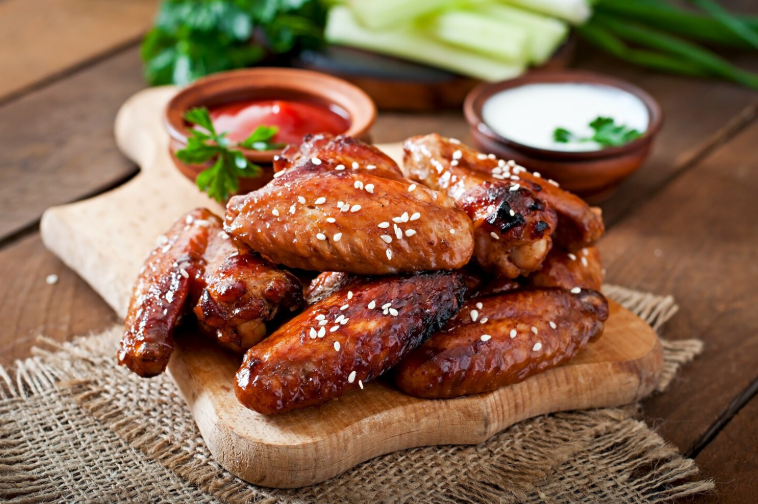
When people think about chicken wings, they often picture weekend cravings, game-night platters, spicy flavors, irresistible sauces, and a meal you simply cannot say no to. But as delicious as they are, there’s always one major question every health-conscious eater asks:
This long, in-depth guide—created for the chickasta audience—explores everything you need to know about chicken wings health, including nutritional facts, healthy cooking tips, comparisons between frying and baking, and how chicken wings fit into various diets and lifestyles. Whether you eat wings occasionally or love them weekly, understanding chicken wings health will help you make smarter choices without giving up flavor.
This is not just a general explanation. It is a practical, research-backed, real-world breakdown shaped by culinary knowledge, nutrition insights, and customer experiences that the Chickasta brand has witnessed in the food industry. By the end, you’ll know exactly how chicken wings can fit your lifestyle while still tasting incredible.
What Does Chicken Wings Health Really Mean?
Understanding chicken wings health requires looking at multiple factors:
-
The nutritional profile of chicken wings
-
How they’re cooked (fried, grilled, baked, or air-fried)
-
What sauces and seasonings are added
-
How often you consume them
-
What portion size you typically choose
-
Whether they fit your macros, diet, or calorie limits
-
Whether the skin is removed or kept on
Chicken wings on their own—just the meat and skin—are actually a good source of protein, fat, vitamins, and minerals. The problem is not the chicken itself, but the preparation method.
At Chickasta, where flavor and quality come first, we see firsthand how drastically health levels change depending on how wings are made. Customers who choose grilled or baked wings often find them very satisfying even without the excess oil. Meanwhile, lovers of deep-fried wings might need to be mindful of calories.
Nutritional Breakdown: Understanding Chicken Wings Health in Numbers
Before we explore cooking styles and health strategies, here’s the nutritional truth about wings.
Average nutrition per 100g of cooked chicken wing (with skin):
-
Calories: 203–247 kcal
-
Protein: 18g
-
Fat: 15–18g
-
Carbohydrates: 0g (unless breaded or sauced)
-
Cholesterol: 88mg
-
Sodium: varies based on seasoning
-
Iron, zinc, phosphorus: moderate levels
-
B vitamins: present in good amounts
These numbers change based on:
-
Whether wings are fried
-
Whether they are breaded
-
Whether they are served with sugary sauces
-
Portion size
From a pure nutritional standpoint, wings are:
Healthy for protein intake
Chicken wings deliver high-quality protein that supports muscle growth and repair. Many athletes and fitness enthusiasts prefer wings—especially grilled ones—for this reason.
High in fat (mostly because of skin)
The fat provides flavor and satisfaction, but can raise total calories quickly.
Low in carbs
This makes wings ideal for keto, carnivore, and low-carb diets.
Rich in micronutrients
Chicken wings naturally contain iron, potassium, and B vitamins, which support metabolism, energy, and muscle function.
So, when someone asks about chicken wings health, the first answer is:
Chicken wings can absolutely be healthy if cooked and eaten mindfully.
And that is exactly what chickasta encourages—balance, flavor, and nutrition.
Chicken Wings Health: The Good Side
Let’s explore the main reasons why many nutritionists don’t consider wings a “bad food.” In fact, chicken wings offer several benefits when consumed the right way.
1. Good Source of Protein
Chicken wings contain complete protein, including all essential amino acids. Protein helps with:
-
Muscle recovery
-
Appetite control
-
Blood sugar regulation
-
Metabolism efficiency
Bodybuilders, athletes, and people following high-protein diets consume wings frequently—especially when they are grilled or roasted.
2. Perfect for Low-Carb Diets
If you follow:
-
Keto
-
Low-carb
-
Carnivore
-
Atkins
-
Paleo
…chicken wings are an easy fit. They contain little to no carbohydrates unless you add breading or sugary sauces.
At chickasta, many customers who specifically follow keto order wings without breading or sugary sauces, and they report excellent results in maintaining carb targets.
3. Source of Healthy Fats
Chicken skin contains fat, but not all of it is harmful. It includes:
-
Monounsaturated fats (heart-friendly)
-
Polyunsaturated fats
-
Saturated fats
In moderation, these fats improve satisfaction and prevent overeating.
4. Versatile and Easy to Modify for Health
If you want wings to be healthier, you can easily:
-
Bake instead of fry
-
Use an air fryer
-
Remove the skin
-
Choose dry rubs instead of sugary sauces
-
Avoid breading
-
Add lemon, garlic, herbs, and spices instead of oil-heavy glazes
This flexible nature contributes heavily to chicken wings health.
5. High in Micronutrients
Chicken wings provide:
-
Iron – prevents fatigue
-
Zinc – boosts immunity
-
Phosphorus – supports bone health
-
Vitamin B6 – supports metabolism
-
Niacin (Vitamin B3) – helps convert food into energy
These are important for an active lifestyle, and they make wings a nutrient-dense option when eaten correctly.
The Not-So-Healthy Side of Chicken Wings
To fully understand chicken wings health, we must also acknowledge the drawbacks, especially when wings are prepared in unhealthy ways.
1. High Calories (If Deep Fried)
Deep-frying wings in oil significantly increases calorie content.
A single fried wing can contain:
-
90–125 calories
-
7–10g fat
-
Added carbs if it is breaded
This makes it easy to exceed daily calorie intake without noticing.
2. High Sodium (Depends on Seasoning)
Commercially prepared wings can contain:
-
Salty marinades
-
Sodium-loaded sauces
-
MSG
-
Preservatives
Too much sodium contributes to:
-
Water retention
-
High blood pressure
-
Increased thirst
-
Digestive discomfort
At Chickasta, the goal is always to use seasoning responsibly and keep it flavorful without overwhelming sodium levels.
3. Sugary Sauces Can Ruin Health Benefits
Honey BBQ, teriyaki, sweet chili, and other sugary sauces add:
-
Extra calories
-
High sugar
-
Carbs
-
Artificial syrups
Even a “healthy” grilled wing can lose its nutritional advantage when drowned in sugar-heavy sauce.
4. Skin Adds Extra Fat
Chicken wing skin is delicious, but it raises:
-
Fat
-
Calories
-
Cholesterol
Removing the skin will drastically improve chicken wings health, though many people prefer to leave it on for flavor.
5. Overeating is Too Easy
Wings are small, flavorful, and addictive. Many people eat:
-
10
-
15
-
20
-
Even 30 wings at a time
This portion size can double or triple daily calorie needs in one sitting.
Healthy Chicken Wing Preparation Styles: Best to Worst
To truly understand chicken wings health, you must look at the cooking method.
Here is the ranking from healthiest to least healthy:
1. Air-Fried Wings (Most Healthy)
Air frying uses minimal oil, reduces calories up to 70%, and creates crispy wings without deep frying.
Why air-fried wings are good for health:
-
Lower fat content
-
Fewer calories
-
Crispiness without the oil
-
Great texture
Many chickasta customers love air-fried style wings because they feel lighter, cleaner, and guilt-free.
2. Grilled Wings
Grilling cooks wings without added fat, producing smoky flavor while reducing oil.
Benefits:
-
Excess fat drips away
-
High protein preserved
-
Great for outdoor cooking
-
Low calorie
3. Baked or Oven-Roasted Wings
A fantastic balance between crispiness and healthy cooking.
Benefits:
-
Minimal oil needed
-
Balanced fat levels
-
Even cooking
-
Easily combined with healthy marinades
4. Pan-Fried Wings
Uses moderate oil, healthier than deep frying but still adds calories.
5. Deep-Fried Wings (Least Healthy)
Frying adds:
-
Excess oil
-
High calories
-
More saturated fat
-
Often breading
-
Unnecessary carbs
Deep-fried wings are best eaten occasionally if you are health-conscious.
Chicken Wings Health and Your Diet: Which Diets Allow Wings?
1. Keto Diet
Excellent choice—chicken wings with no breading fit perfectly.
2. Low-Carb Diet
Wings are naturally low in carbs.
3. Paleo Diet
Grilled or baked wings are allowed.
4. High-Protein Diet
Wings are great but watch the skin.
5. Weight Loss Diet
Can fit into calorie goals if:
-
Not fried
-
Not covered in sugary sauces
-
Eaten in moderate portions
6. Mediterranean Diet
Grilled or baked wings with herbs, olive oil, and lemon are ideal.
7. Carnivore Diet
Wings are perfect—especially skin-on.
Sauces and Chicken Wings Health: Best and Worst Options
Best Healthy Sauce Options
-
Lemon pepper
-
Garlic herb
-
Chili flakes with lime
-
Black pepper
-
Dry rub cajun
-
Salt & vinegar
-
Rosemary and thyme
-
Light buffalo (no butter)
Worst Sauce Options
-
Honey BBQ
-
Sweet teriyaki
-
Mango habanero
-
Sweet chili
-
Sticky garlic honey
-
Any sugar-loaded glaze
When it comes to chicken wings health, sauces often make the biggest difference.
Chicken Wings Health: Portion Control
A healthy serving of wings is:
-
4–6 wings for regular diets
-
6–8 wings for high-protein diets
-
8–10 wings for keto or carnivore diets
Anything more becomes excessive unless it fits your calorie goals.
Chicken Wings Health: Real Experiences from Chickasta
At Chickasta, we have seen thousands of customers make chicken wings part of their weekly routine—some for comfort, some for muscle building, some for keto, and some just for flavor.
Common real observations include:
1. Customers switching from fried to grilled wings report feeling lighter
Less bloating, less oiliness, easier digestion.
2. Keto customers choose unsweetened, high-fat wings
Perfect for their macros.
3. Fitness-focused customers love high-protein dry wings
No breading, no sugar.
4. Weight-loss customers choose 4–6 wings without sauce
Satisfying yet low-calorie.
5. People who want full flavor often choose mixed styles
Half dry rub, half grilled, paired with veggies.
These real customer patterns prove that chicken wings health depends on how you customize your meal.
Pros & Cons of Chicken Wings Health
| Pros | Cons |
|---|---|
| High in protein | High in calories if fried |
| Good for keto & low-carb diets | Skin increases fat |
| Easy to cook in healthy ways | Sauces can add sugar |
| Provides important nutrients | High sodium in commercial wings |
| Versatile flavors | Easy to overeat |
| Works for fitness diets | Deep frying reduces health quality |
| Can be made low calorie | Breading adds carbs |
| Satisfying and filling | Not suitable for low-fat diets |
Frequently Asked Questions About Chicken Wings Health
1. Are chicken wings healthy?
Yes—if prepared properly (grilled, baked, air-fried) and eaten in moderation.
2. Are fried chicken wings unhealthy?
They can be high in calories, fat, and sodium.
3. Are chicken wings good for weight loss?
Yes, especially baked or grilled wings with light seasoning.
4. Are chicken wings high in protein?
Very high—about 18g per 100g serving.
5. Can I eat chicken wings on keto?
Absolutely. Just avoid breading and sugary sauces.
6. Are chicken wings healthier with or without skin?
Without skin is healthier, but less flavorful.
7. Is BBQ sauce healthy for wings?
Most BBQ sauces have added sugar; choose low-sugar or dry rub.
8. Are chicken wings processed?
No. Wings are natural cuts of chicken.
9. Are chicken wings good for muscle building?
Yes—high protein supports muscle repair.
10. How many wings can I eat per day?
Depends on your calorie goals.
A moderate, healthy serving is 4–6 wings.
Related posts


Popular Posts
-
 Ring-A-Wing – Order Wings Online & Satisfy Your Cravings
January 15, 2026 -
 Best Mutton Rolls Near Me – Chickasta’s Signature Street Food Delight
September 24, 2025 -
The Best Dosa in Langley – Authentic South Indian Cuisine at Chickasta
September 25, 2025 -
Where to Find the Best Samosas in Vancouver: A Complete Guide by Chickasta
September 27, 2025 -
Best Samosas in Vancouver – The Ultimate Chickasta Guide for Food Lovers
September 27, 2025
 Ring-A-Wing – Order Wings Online & Satisfy Your Cravings
  Best Mutton Rolls Near Me – Chickasta’s Signature Street Food Delight
  The Best Dosa in Langley – Authentic South Indian Cuisine at Chickasta
  Where to Find the Best Samosas in Vancouver: A Complete Guide by Chickasta
  Best Samosas in Vancouver – The Ultimate Chickasta Guide for Food Lovers
Recent Comments