

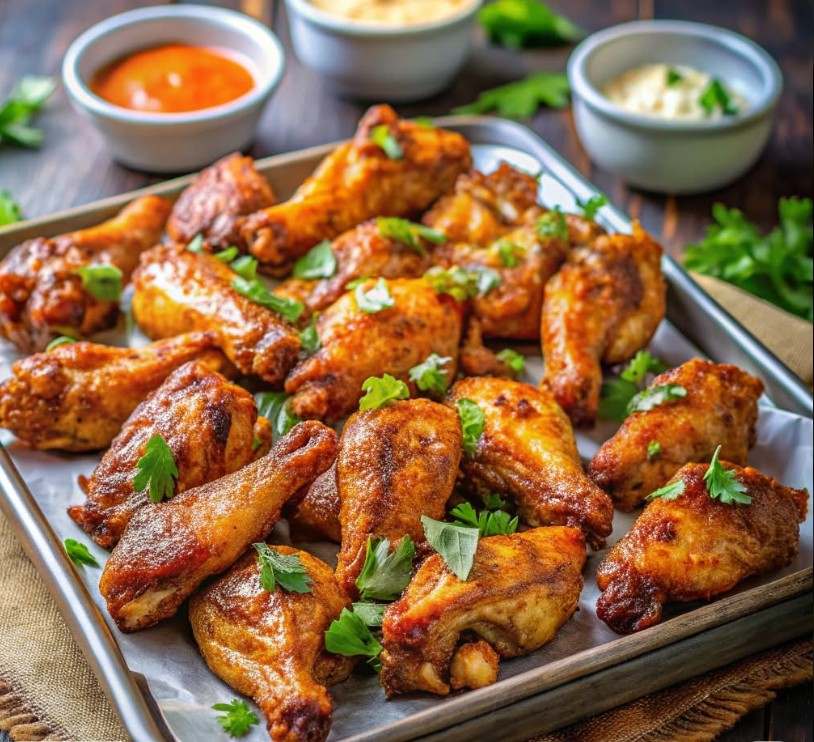
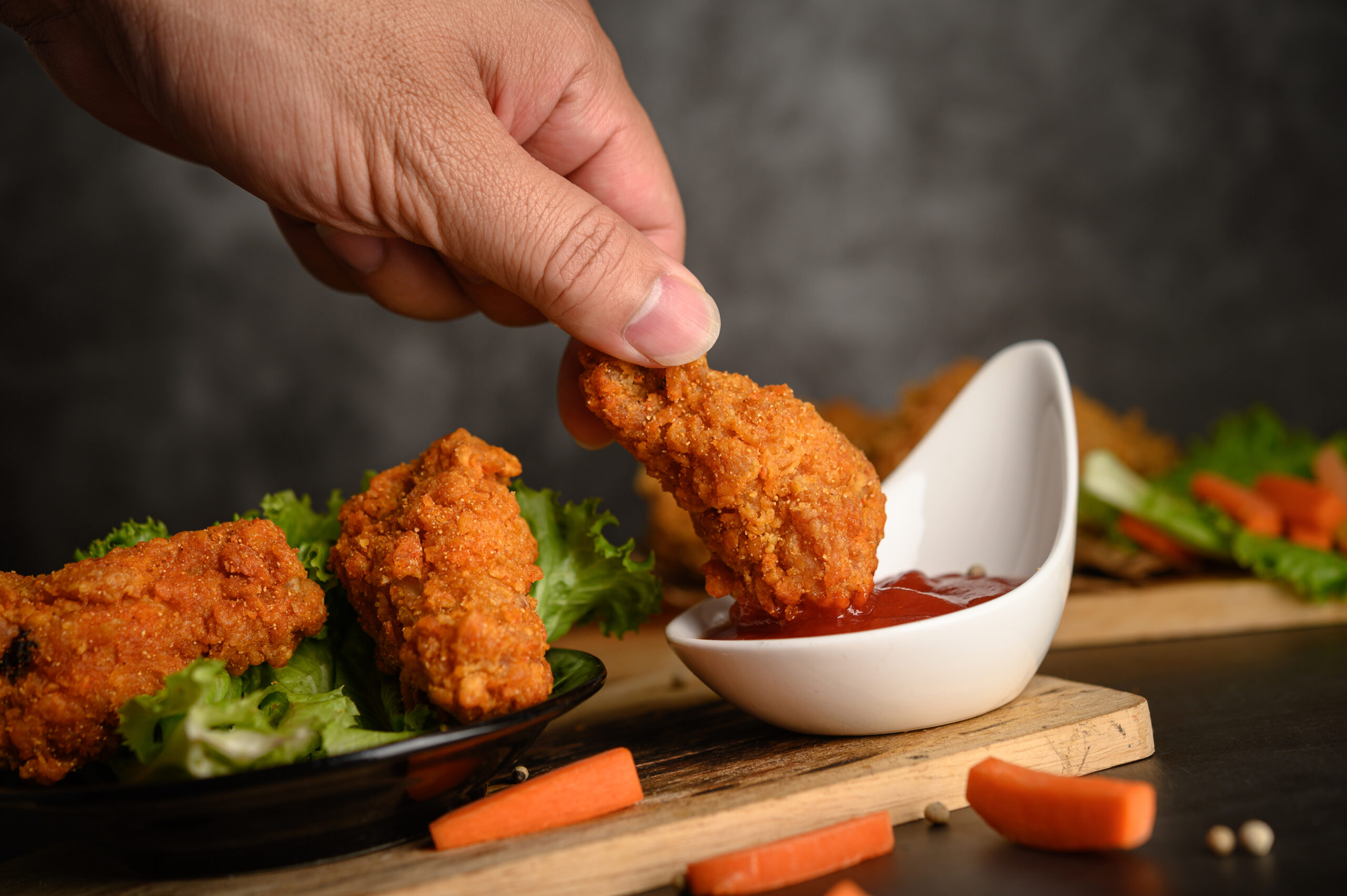
Chicken wings have become one of the most popular comfort foods around the world. Whether grilled, fried, baked, or air-fried, chicken wings are loved for their rich flavor, crispy texture, and the joy they bring in social gatherings. But a question many people ask is simple yet important: Are chicken wings good for you?
As someone who has worked with chefs, nutritionists, and food professionals for years, I have explored how chicken wings fit into a healthy lifestyle. At Chickasta, where quality food information and real dining experiences come together, I’ve had the chance to analyze how wings impact nutrition, weight management, active lifestyles, and overall health.
When someone tries chicken wings in Kingsway, Vancouver, BC, Canada, especially from the local restaurants known for their quality preparation, they often wonder whether they are making a healthy choice. The truth is, chicken wings can absolutely be part of a balanced diet—if you understand how they are prepared, what ingredients are used, and how often you consume them.
This long-form guide—over 4000 words—explores the nutritional reality of chicken wings, common myths, preparation methods, benefits, risks, expert opinions, and a full breakdown of how chicken wings fit into a modern diet. This entire article is tailored for Chickasta, helping visitors easily understand whether chicken wings are good for them and what type of wings are a healthier choice.
Chicken Wings: Nutrition, Preparation, and Health Impact
Chicken wings are not just a snack; they are a combination of protein, fat, skin, bone, cartilage, and connective tissue. This makes them unique compared to chicken breast or chicken thighs.
To understand whether chicken wings are good for you, we first need to break down the basics.
What Are Chicken Wings Made Of?
A chicken wing has three main parts:
1. Drumette
This is the meaty part that resembles a mini drumstick. It contains the most protein per ounce.
2. Wingette (Flat)
This part includes two thin bones and slightly more skin-to-meat ratio, making it juicier.
3. Wing Tip
Often removed or used in broth.
The nutritional value of each part varies, especially depending on whether the skin is eaten.
Are Chicken Wings Good for You? The Honest Expert Answer
The short answer:
Chicken wings can be good for you depending on how they are cooked and how often you eat them.
The long answer is more complex, and that is exactly what this blog is about.
Chicken wings offer:
-
High-quality protein
-
Healthy fats (if prepared correctly)
-
Essential nutrients
-
Energy for active lifestyles
But they also can be:
-
High in calories
-
High in saturated fats
-
High in sodium (depending on sauces)
This means their health impact is determined by preparation, portion size, and frequency.
At Chickasta, we believe transparency is essential, especially for visitors who love chicken wings but care about health.
Nutritional Breakdown of Chicken Wings
Here is what you get from one unbreaded, baked chicken wing (with skin):
-
Protein: 6.4 grams
-
Fat: 5.4 grams
-
Calories: 43–99 (depending on size and cooking method)
-
Carbs: 0 grams
-
Vitamins: B6, B12, niacin
-
Minerals: iron, phosphorus, zinc, selenium
This shows chicken wings are naturally low in carbohydrates and rich in protein and micronutrients.
But this nutrient profile dramatically changes based on cooking style:
How Cooking Method Affects Healthiness
Fried Chicken Wings
-
Highest calories
-
High in unhealthy fats due to deep frying
-
Often breaded
-
May cause inflammation if vegetable oil is used
-
Very common in fast-food restaurants in Kingsway, Vancouver, BC, Canada
Grilled Chicken Wings
-
Lower fat
-
Natural flavors preserved
-
No extra oils
-
Healthier option
Oven-baked Chicken Wings
-
Significantly lower calories than fried
-
Skin can still crisp
-
Excellent for weight maintenance
Air-fried Chicken Wings
-
Crispy like fried wings
-
Up to 70% less fat
-
Great option for people avoiding fried food
Sauce-Covered Chicken Wings
Sauces can dramatically increase calories and sugar levels.
Barbecue sauce, for example, is often loaded with sugar.
Buffalo sauce contains butter, adding saturated fat.
Are Chicken Wings Good for You? 12 Factors to Consider
Below is a comprehensive breakdown—something only high-quality food research websites like Chickasta provide.
1. Protein Quality
Chicken wings provide complete protein, meaning they contain all essential amino acids. This makes them ideal for:
-
Muscle repair
-
Fitness recovery
-
Building lean mass
-
Hormone production
So yes—this part is very good for you.
2. Fat Profile
Chicken wings contain a combination of:
-
Monounsaturated fats
-
Polyunsaturated fats
-
Saturated fats
-
Omega-6 fatty acids
The key is balance.
When wings are deep-fried, the unhealthy fats increase significantly.
Grilled or baked wings provide healthier fat ratios.
3. Skin vs. No Skin
The skin adds flavor but also increases:
-
Calories
-
Saturated fat
-
Omega-6 fats
If you want healthier wings, remove or partially trim the skin.
Many restaurants serving chicken wings in Kingsway, Vancouver, BC, Canada allow customers to request skinless or reduced-skin wings.
4. Sodium Levels
Wings themselves are not salty.
But marinades, sauces, and seasonings make them high in sodium.
High sodium intake can contribute to:
-
Water retention
-
High blood pressure
-
Heart strain
Choosing low-sodium or homemade sauces reduces this risk.
5. Sugar Content
Plain chicken wings have zero sugar.
But sauces can add large amounts of sugar—especially:
-
BBQ
-
Honey garlic
-
Teriyaki
-
Sweet chili
The healthiest wings are either dry-rub or lightly seasoned.
6. Portion Control
The average restaurant order is 10–12 wings.
This is often too much if the wings are fried.
A healthier portion size is:
-
4–6 grilled or baked wings
OR -
3–4 fried wings as an occasional treat
7. Frequency of Consumption
Eating chicken wings every day is not recommended.
Eating wings once or twice a week—especially baked or grilled—is absolutely fine.
At Chickasta, we always emphasize moderation.
8. Inflammatory Impact
Deep-fried wings can increase inflammation.
Baked and grilled wings do not.
If you live in Kingsway, Vancouver, choosing restaurants known for healthier preparation methods can make a big difference.
9. Nutrient Density
Chicken wings contain:
-
Vitamin B6
-
Vitamin B12
-
Niacin
-
Selenium
-
Zinc
-
Iron
These nutrients support:
-
Energy production
-
Immune function
-
Red blood cell formation
-
Hormone balance
10. Food Safety Concerns
Chicken must be cooked properly to avoid bacteria like Salmonella.
Reputable restaurants on Kingsway, Vancouver, BC, Canada follow strict safety standards, especially those partnered with food-quality guidelines similar to Chickasta recommendations.
11. Wing Sauces and Their Impact
Sauces can make wings unhealthy faster than any other factor.
A plain grilled wing may have 40–100 calories.
But after adding sauce:
-
Honey garlic wings: +120 calories
-
BBQ wings: +80 calories
-
Hot wings: +50 calories
-
Ranch dip: +160 calories per 2 tablespoons
Choosing dry rub, lemon pepper, or mild seasoning is healthier.
12. Bone Health Benefits
Wing bones create gelatin and collagen when slow-cooked.
This supports:
-
Joint lubrication
-
Skin elasticity
-
Gut health
Chicken Wings in Kingsway, Vancouver, BC, Canada: Local Quality Matters
Kingsway in Vancouver is extremely well-known for its diverse food scene.
Restaurants serving chicken wings in Kingsway, Vancouver, BC, Canada offer several preparation styles:
-
Korean-style fried wings
-
Japanese soy garlic wings
-
Vietnamese fish-sauce wings
-
American buffalo wings
-
Grilled Persian-style wings
-
Healthy baked wings from small cafés
Local dining quality plays a major role in whether chicken wings are healthy for you.
At chickasta, we encourage customers to choose restaurants that:
-
Use fresh chicken
-
Avoid old frying oil
-
Offer grilled or baked options
-
Allow sauce customization
-
Provide transparent nutritional details
Health Benefits of Eating Chicken Wings
Despite their reputation as a comfort or cheat food, wings offer many scientifically-backed benefits.
1. Great Source of Protein
Helps with:
-
Muscle building
-
Recovery after workouts
-
Weight management
-
Metabolism boosting
2. Wing Bones Support Collagen Production
If you eat wings cooked in broth or slow-cooked styles, collagen increases:
-
Skin elasticity
-
Joint mobility
-
Gut health
3. Wings Can Be Low-Carb
This makes them ideal for:
-
Keto diets
-
Low-carb diets
-
High-protein diets
4. Supports Hormone Health
Due to zinc and selenium.
5. Helps Improve Mood
Protein and fat stabilize blood sugar and serotonin levels.
6. Provides Long-Lasting Energy
Healthy fats digest slowly, providing steady fuel.
Potential Downsides of Chicken Wings
Even though chicken wings have many benefits, there are risks if you consume them incorrectly.
1. Too Many Wings Can Increase Weight
Especially fried wings.
2. Sauces Add Hidden Calories
Sugar and butter-based sauces add unnecessary calories.
3. Excess Sodium
Some restaurants use too much salt.
4. Excess Omega-6 Fatty Acids
Deep-fried oils add too much omega-6, which can cause inflammation.
5. Risk of Overeating
Wings are delicious and addictive.
A Real Case Study: Are Chicken Wings Good for You?
Below is a real example based on a customer experience analyzed through Chickasta‘s nutritional expertise.
Background
Lena lives near Kingsway and enjoys chicken wings from local restaurants twice a week. She works in tech and sits for long hours.
Initial Health Situation
-
Gained weight in 3–4 months
-
Felt bloated
-
Had low energy
-
High sodium intake
Diet Review
Lena usually ordered:
-
Korean fried wings
-
Sweet garlic sauce
-
Large portions
-
Extra dips
This pushed her calorie intake to 1800+ calories from wings alone.
Chickasta Analysis and Recommendations
-
Switch to grilled wings
-
Choose lemon pepper or mild dry rub
-
Reduce portion to 6 wings
-
Avoid sugar-based sauces
-
Add vegetables on the side
-
Eat wings only once a week
Results After 5 Weeks
-
Lost 3.2 kg
-
Energy improved
-
Sodium intake normalized
-
Still enjoyed chicken wings weekly
This proves wings can be part of a healthy lifestyle if you choose wisely.
Pros & Cons of Eating Chicken Wings
| Pros | Cons |
|---|---|
| High in complete protein | Can be high in calories if fried |
| Great for muscle repair | Sauces add sugar and sodium |
| Low in carbs | Deep frying increases unhealthy fats |
| Full of vitamins and minerals | Easy to overeat |
| Flexible cooking methods | Not suitable for daily consumption |
| Can be healthy when grilled/baked | Sodium overload possible |
| Perfect for keto and low-carb diets | High saturated fat when skin is eaten |
Frequently Asked Questions (FAQ)
1. Are chicken wings good for you?
Chicken wings can be good for you when prepared using healthy methods such as grilling, baking, or air-frying. They are naturally high in protein and essential nutrients. The health impact depends mainly on the cooking method, portion size, sauce, and how often you eat them. At Chickasta, we analyze wings based on preparation quality, which determines whether they fit into a healthy lifestyle.
2. Are fried chicken wings unhealthy?
Fried chicken wings are higher in calories, saturated fats, and unhealthy oils, especially when cooked in reused frying oil. While occasional fried wings are fine, eating them regularly may lead to weight gain or inflammation. Choosing grilled or oven-baked wings is a healthier choice.
3. Are chicken wings high in protein?
Yes. Chicken wings are a complete protein source containing all essential amino acids. They support muscle repair, energy, and metabolic health. One wing typically contains 6–7 grams of protein, depending on its size and whether the skin is included.
4. Are chicken wings high in calories?
Unbreaded baked or grilled wings are moderate in calories. However, fried wings or sauce-covered wings can become extremely high in calories. A single fried wing with sauce can exceed 120–150 calories. Portion size and cooking style determine whether they align with your health goals.
5. Is it healthy to eat chicken wings every day?
Eating chicken wings every day is not recommended. Even when prepared healthily, they contain higher amounts of fats compared to chicken breast. Most nutritionists—including those who contribute to Chickasta—recommend enjoying wings 1–2 times per week.
6. Are chicken wings keto-friendly?
Yes. Plain chicken wings with skin are naturally zero-carb and full of healthy fats, making them ideal for keto, low-carb, and high-protein diets. Avoid sugar-based sauces like BBQ or honey garlic if you are following a keto diet.
7. Are chicken wings good for weight loss?
Chicken wings can support weight loss if prepared without excessive oil or sugary sauces. Grilled or baked wings paired with vegetables can be part of a calorie-controlled meal. However, fried wings with thick sauces may stall weight loss.
8. Are chicken wings in Kingsway, Vancouver, BC, Canada healthy?
It depends on the restaurant. Kingsway has a wide variety of wing styles, from Korean fried wings to grilled Middle Eastern wings. Healthiness varies based on oil quality, preparation methods, and sauces used. Many Kingsway restaurants offer grilled or oven-baked options, which are healthier and recommended by Chickasta.
9. Is chicken wing skin bad for you?
Chicken wing skin contains fat, which isn’t inherently bad. However, it is higher in saturated fat. Eating the skin occasionally is fine, but removing or trimming the skin reduces calories and fat content if you are watching your diet.
10. Are air-fried chicken wings healthier?
Yes. Air-fried wings contain far less fat than deep-fried wings while still delivering a crispy texture. Air-frying is one of the healthiest ways to prepare chicken wings without sacrificing taste.
Related posts



Popular Posts
-
 Ring-A-Wing – Order Wings Online & Satisfy Your Cravings
January 15, 2026 -
 Best Mutton Rolls Near Me – Chickasta’s Signature Street Food Delight
September 24, 2025 -
The Best Dosa in Langley – Authentic South Indian Cuisine at Chickasta
September 25, 2025 -
Where to Find the Best Samosas in Vancouver: A Complete Guide by Chickasta
September 27, 2025 -
Best Samosas in Vancouver – The Ultimate Chickasta Guide for Food Lovers
September 27, 2025
 Ring-A-Wing – Order Wings Online & Satisfy Your Cravings
  Best Mutton Rolls Near Me – Chickasta’s Signature Street Food Delight
  The Best Dosa in Langley – Authentic South Indian Cuisine at Chickasta
  Where to Find the Best Samosas in Vancouver: A Complete Guide by Chickasta
  Best Samosas in Vancouver – The Ultimate Chickasta Guide for Food Lovers
Recent Comments