

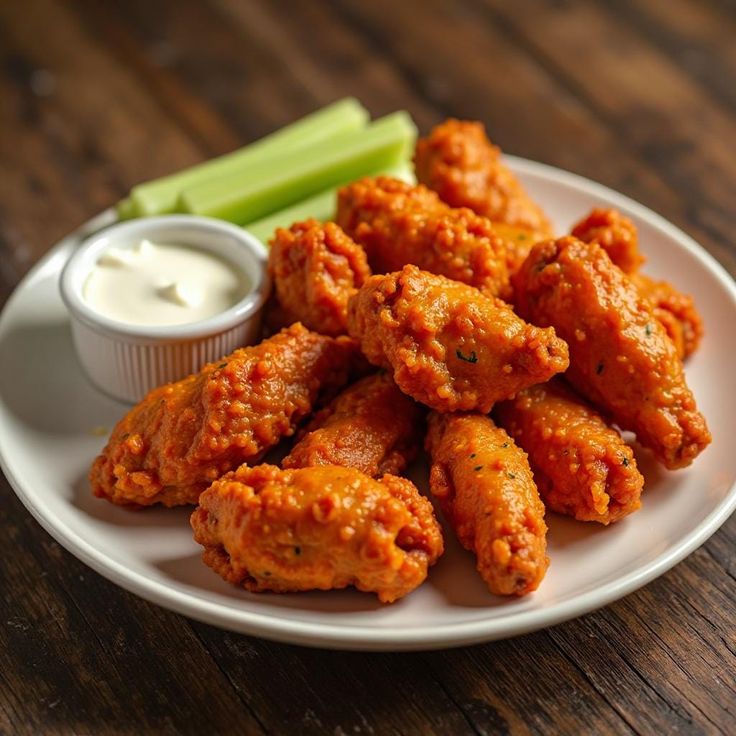
Chicken wings have always been one of the most popular comfort foods in Canada, especially for people living in Vancouver, BC, where local restaurants, sports bars, and food-focused brands like Chickasta continue to make wings one of the most in-demand menu items. But as more customers become health-aware, one question keeps coming up over and over again:
Are chicken wings fattening?
This long-form guide explores everything you need to know about chicken wings, their calorie content, fat levels, nutritional breakdown, whether chicken wings cause weight gain, how to make healthier choices, and what Vancouver residents need to consider when choosing wings in restaurants or when ordering from delivery platforms or brands such as Chickasta.
We also dive into real nutritional facts, cooking methods, healthy alternatives, practical fitness-friendly tips, and the complete truth behind the idea of chicken wings fattening in Vancouver, BC, Canada.
If you’re serious about understanding how chicken wings influence your diet, this detailed breakdown will give you accurate, useful, E-E-A-T-focused insights written to help food lovers, health-focused individuals, and Chickasta customers make the smartest possible choices.
Understanding the Question: Are Chicken Wings Fattening?
Chicken wings can be fattening, but not always. The real answer depends on several important factors:
-
How the wings are cooked
-
What sauces are used
-
How many wings are eaten per serving
-
Whether the skin is left on
-
The amount of added oil or breading
-
Side dishes consumed with the wings
-
Your total daily calorie intake
Chicken wings are naturally higher in fat compared to chicken breast or chicken tenders because wings come with skin and contain a higher percentage of dark meat. But the presence of fat does not automatically make them unhealthy.
The goal of this article is to give you the full explanation so you can still enjoy your favourite Chickasta wings or Vancouver wing restaurants without feeling confused about whether they fit into your lifestyle.
Why Chicken Wings Have a Reputation for Being Fattening
The Skin Increases Fat and Calories
Chicken wings come with crispy skin, which is delicious but calorie-dense. The skin contains natural animal fat that increases the calorie load per wing.
A single fried chicken wing can range from 80 to 120 calories, depending on size and sauce.
Deep Frying Adds Significant Oil
Many restaurants in Vancouver still deep-fry wings. Deep frying allows wings to absorb additional oil, increasing the calorie count significantly. Even if the wings are drained, a high amount of oil remains inside the skin.
Sauces Add Sugar, Sodium, and Extra Calories
Sweet flavors like honey garlic, BBQ, maple glazed, and teriyaki often contain high sugar levels. Creamy sauces like ranch, blue cheese, or garlic parmesan add extra fat and calories.
Large Portions Create Overeating
Most people do not stop at two or three wings. A typical serving is 8–12 wings, which can quickly push calorie intake to 700–1500 calories, especially when combined with fries, dips, or beer.
Chicken Wings Are a Social and Indulgent Food
Events like Super Bowl nights, parties, and gatherings often encourage overeating. Wings are fun, addictive, and easy to eat in large quantities, which contributes to the perception that chicken wings are fattening.
Are Chicken Wings Always Fattening? Not Necessarily
Chicken wings only become truly “fattening” when cooked or served in specific ways. If prepared properly, wings can actually be:
-
High in protein
-
Satisfying
-
Nutritionally dense
-
Much lower in calories
-
A good addition to a controlled diet
This is why brands like Chickasta offer grilled wings, air-fried wings, and baked wings, allowing customers in Vancouver, BC to enjoy their favourite dish in a healthier way.
Let’s break down the nutritional details.
Nutritional Breakdown: What’s Inside a Chicken Wing?
Average Nutritional Values (Plain, Skin-On)
-
Calories: 43–50 calories per wing
-
Protein: 6–7 grams
-
Fat: 3–4 grams
-
Carbs: 0 grams (without sauce)
-
Sodium: Very low unless seasoned
Nutritional Values Increase With Cooking Methods
-
Deep fried: 80–120 calories per wing
-
Breaded: 100–140 calories per wing
-
Sauced (sweet or creamy): 120–200 calories per wing
-
Grilled: 40–60 calories per wing
-
Baked: 40–65 calories per wing
-
Air-fried: 45–70 calories per wing
As you can see, plain wings are not automatically fattening, but the method of cooking changes everything.
Are Chicken Wings Fattening in Vancouver, BC, Canada?
Vancouver has hundreds of restaurants serving wings, and many of them serve:
-
Deep-fried wings
-
Heavily sauced wings
-
Jumbo wings
-
Double-fried Korean-style wings
-
Wings served with fries, wedges, poutine, or garlic bread
-
Wings paired with beer
This creates a situation where chicken wings fattening in Vancouver, BC, Canada becomes a real concern for locals who love their weekend sports nights, bar snacks, or Chickasta orders.
However, Vancouver also has a growing health-conscious community. Because of this, many establishments—including Chickasta—offer lighter variations such as:
-
Grill-cooked wings
-
Oven-baked wings
-
Low-sodium options
-
Air-fried wings
-
Dry-rub wings
-
Skinless wings (optional)
This means you can enjoy wings regularly without worrying about weight gain.
How Cooking Methods Affect Whether Wings Are Fattening
Deep-Fried Chicken Wings
Deep-frying increases calories significantly because wings absorb oil under the skin. This is the highest-calorie wing option and the one most associated with weight gain.
Breaded Chicken Wings
A layer of flour or breadcrumbs traps more oil and adds carbs, making the wings more fattening.
Grilled Chicken Wings
Grilled wings are one of the best options because they allow fat to drip away and require no additional oils. Chickasta often uses grilling methods to reduce unnecessary calories.
Oven-Baked Chicken Wings
Baked wings provide good flavour with fewer calories because they don’t sit in oil.
Air-Fried Chicken Wings
Air fryers simulate frying without oil, reducing overall fat and calorie intake by up to 70 percent.
Smoked Chicken Wings
A flavorful option with no added fat. Very popular among health-conscious customers in Vancouver.
Do Chicken Wings Make You Gain Weight?
Chicken wings may contribute to weight gain if:
-
They are consumed in large quantities
-
They are deep fried regularly
-
They are covered in sugary or creamy sauces
-
They are eaten with high-calorie sides
-
They exceed your daily calorie needs
Weight gain is not caused by a single food. It is caused by consistently consuming more calories than your body burns.
Chicken wings can be part of a healthy diet if eaten in moderation and prepared with a healthier method such as grilling, baking, or air-frying.
Are Chicken Wings Good for Protein?
Yes. Wings are packed with protein, which supports:
-
Muscle growth
-
Fat loss
-
Appetite control
-
Body recovery
Protein is one of the most filling macronutrients, meaning wings can help keep you full for longer.
This is why Chickasta customers often prefer grilled wings when they want a tasty meal that still fits into a fitness plan.
Are Chicken Wings Keto-Friendly?
Chicken wings are considered one of the best keto foods because they contain:
-
High fat
-
Moderate protein
-
Zero carbs
This makes them a perfect match for low-carb diets, as long as sugary sauces are avoided.
Comparing Chicken Wings With Other Chicken Cuts
Chicken Breast
-
Lowest fat
-
Lowest calories
-
Highest protein
-
Best for weight loss
Chicken Thighs
-
Moderate fat
-
Rich flavour
Chicken Wings
-
Higher fat
-
Crispy texture
-
Best for indulgence and flavour
This is why wings are usually seen as a treat, not a daily staple.
Healthy Ways to Eat Chicken Wings
Choose Dry Rubs Instead of Sauces
Dry seasonings significantly reduce calories and sugar.
Go for Grilled or Baked Options
Choose Chickasta grilled wings or air-fried wings for a lighter alternative.
Avoid Breaded or Battered Wings
This reduces both calories and carbs.
Pair Wings With Healthy Sides
Examples:
-
Salads
-
Steamed vegetables
-
Brown rice
-
Corn
-
Roasted potatoes
Control Your Portions
Even a small serving of 5–8 wings can satisfy cravings without exceeding your calorie goals.
Chicken Wings Fattening in Vancouver, BC, Canada: What Local Consumers Should Know
Vancouver is known for:
-
Fitness culture
-
Outdoor activities
-
Clean eating trends
-
Healthy restaurant options
This means residents often look for lighter versions of comfort foods like chicken wings.
Brands like Chickasta provide better nutritional choices by offering:
-
Non-deep-fried cooking
-
Higher-quality protein
-
Reduced-sodium seasoning
-
Fresh ingredients
-
Health-friendly menu choices
This helps customers enjoy wings without worrying about the fattening reputation often associated with them.
Pros and Cons of Eating Chicken Wings
Below is a balanced overview to help customers make informed decisions.
| Pros of Eating Chicken Wings | Cons of Eating Chicken Wings |
|---|---|
| High in protein | Higher fat content |
| Very satisfying | Calories vary widely |
| Great flavour | Can be unhealthy if deep-fried |
| Keto-friendly | Sauces add sugar and sodium |
| Easy to prepare | Overeating is common |
| Versatile cooking methods | Not ideal for strict diets |
| Good for muscle repair | Portion control required |
Frequently Asked Questions About Chicken Wings and Weight Gain
1. Are chicken wings fattening if I eat them once in a while?
No. Eating wings occasionally will not cause weight gain. Weight gain only happens when you consistently eat more calories than you burn.
2. How many calories are in a chicken wing?
A plain wing contains 43–50 calories. Deep-fried or sauced wings may contain 100–200 calories each.
3. Are grilled wings healthier than fried wings?
Yes. Grilled wings contain significantly less fat and fewer calories, making them a better choice for weight control.
4. Is it unhealthy to eat chicken wings every week?
Not necessarily. If cooked with healthier methods and served with nutritious sides, weekly wings can fit into a balanced diet.
5. Are chicken wings high in protein?
Yes. Wings provide 6–7 grams of protein per piece, making them a filling and satisfying option.
6. Does removing the skin make wings less fattening?
Yes. The skin contains most of the fat. Removing it can lower calories by up to 30–40 percent.
7. Are chicken wings good for weight loss?
They can be, if grilled or baked and eaten in moderation. Avoid sugary sauces and deep frying.
8. Are chicken wings fattening in Vancouver, BC, Canada because restaurants deep fry them?
Many restaurants deep fry wings, which increases calories. Choosing healthier places like Chickasta helps reduce the fattening effect.
9. Are chicken wings keto-friendly?
Yes. Wings contain zero carbs, making them ideal for keto diets.
10. What is the healthiest way to eat wings?
Grilled, baked, or air-fried wings with dry rub seasoning and minimal sauces are the healthiest way to enjoy them.
Related posts


Popular Posts
-
 Ring-A-Wing – Order Wings Online & Satisfy Your Cravings
January 15, 2026 -
 Best Mutton Rolls Near Me – Chickasta’s Signature Street Food Delight
September 24, 2025 -
The Best Dosa in Langley – Authentic South Indian Cuisine at Chickasta
September 25, 2025 -
Where to Find the Best Samosas in Vancouver: A Complete Guide by Chickasta
September 27, 2025 -
Best Samosas in Vancouver – The Ultimate Chickasta Guide for Food Lovers
September 27, 2025
 Ring-A-Wing – Order Wings Online & Satisfy Your Cravings
  Best Mutton Rolls Near Me – Chickasta’s Signature Street Food Delight
  The Best Dosa in Langley – Authentic South Indian Cuisine at Chickasta
  Where to Find the Best Samosas in Vancouver: A Complete Guide by Chickasta
  Best Samosas in Vancouver – The Ultimate Chickasta Guide for Food Lovers
Recent Comments