


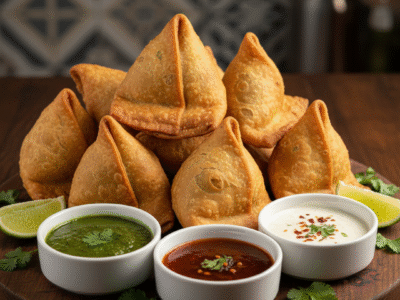
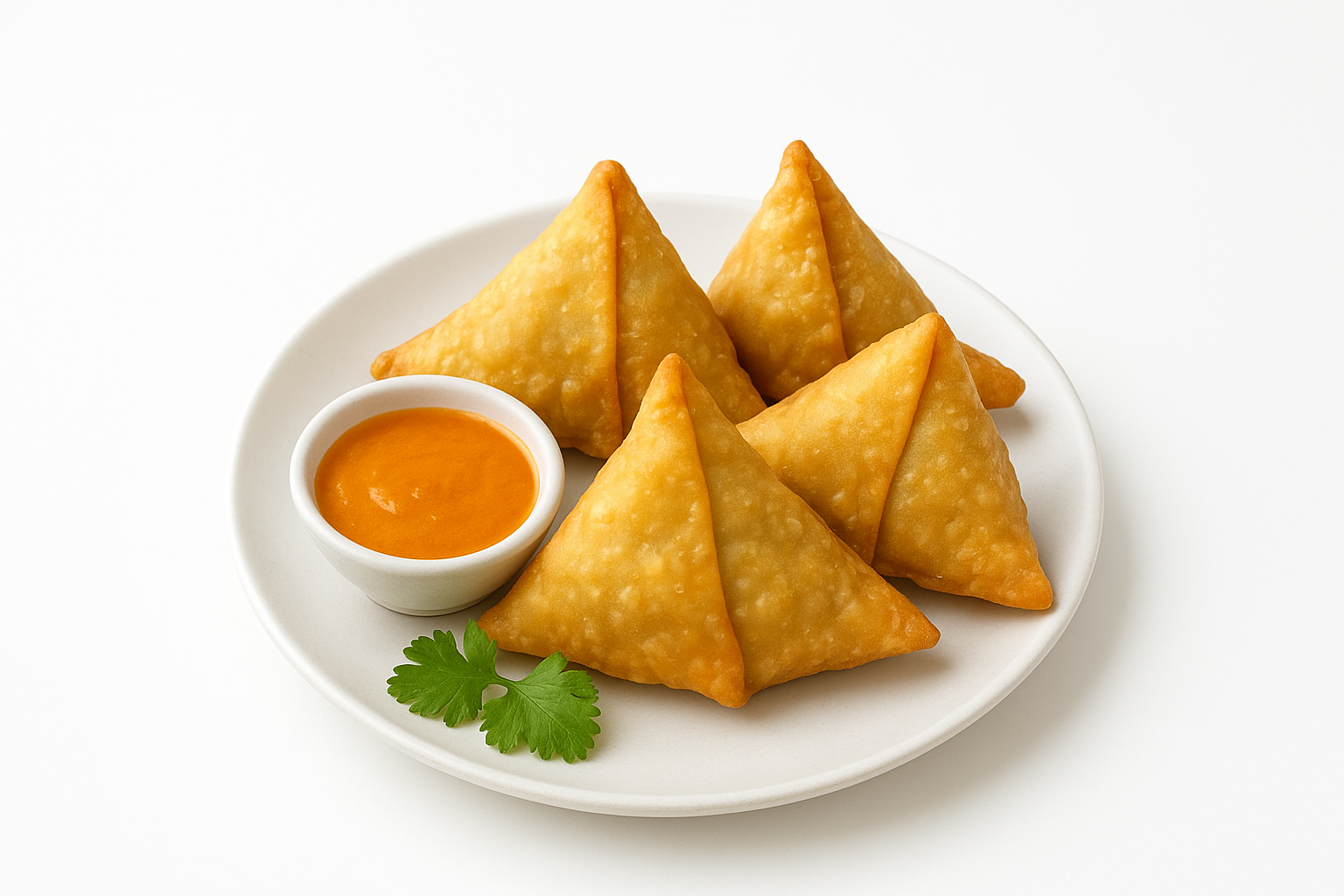
When people search for good samosas near me, they are not looking for just any snack. They are looking for something very specific: freshly made samosas, crispy on the outside, flavorful on the inside, balanced spices, proper frying, and consistency. A good samosa is not an accident. It is the result of technique, ingredients, timing, and care.
This page-style blog is written from real food experience, not theory. It explains what actually makes a samosa good, how to identify quality samosas near you, common mistakes to avoid, and why places like Chickasta focus on doing samosas the right way instead of rushing volume.
Why Good Samosa Near Me Is a High-Intent Search
People usually search for good samosas near me when:
-
They want fresh food, not froze,n reheated snacks
-
They are tired of oily, soggy samosas
-
They want authentic taste, not bland filling
-
They want value for money
-
They want a place they can return to again
This is not casual browsing. It is a hunger-driven, quality-focused search.
What Makes a Samosa Truly Good
A good samosa is judged on multiple layers, not just taste.
1. The Outer Crust
-
Thin but strong
-
Crispy without being hard
-
No bubbles from bad dough handling
-
No greasy aftertaste
2. The Filling
-
Balanced spices, not overpowering
-
Potatoes cooked properly, not mashed into paste
-
Peas, onions, or meat evenly mixed
-
No raw spice bitterness
3. Frying Technique
-
Correct oil temperature
-
Slow fry, not rushed
-
Even golden color
-
Crisp that lasts beyond the first bite
At Chickasta, samosas are judged on all three, not just appearance.
Why Many Samosas Disappoint
Most people searching for good samosa near me are frustrated because they’ve already tried bad ones.
Common problems include:
-
Frozen pre-made samosas
-
Over-oily frying
-
Bland filling
-
Thick dough that overpowers taste
-
Reheated samosas losing crispness
Good samosas require patience, which many places skip.
Fresh vs Frozen: The Biggest Difference
Fresh samosas:
-
Have layered crispness
-
Retain spice aroma
-
Stay crunchy longer
-
Taste lighter
Frozen samosas:
-
Absorb oil
-
Lose texture
-
Taste flat
-
Reheat poorly
Places like chickasta avoid shortcuts because customers can taste the difference immediately.
Types of Samosas You Might Find Near You
Classic Potato Samosa
-
Most popular
-
Requires spice balance
-
Should not be mushy
Chicken Samosa
-
Needs moisture without sogginess
-
Requires proper seasoning
-
Overcooked chicken ruins texture
Vegetable Samosa
-
Mixed veggies done right
-
Not watery
-
No filler vegetables
Specialty or Fusion Samosas
-
Cheese, spicy blends, or regional flavors
-
Only good if done intentionally, not randomly
How to Spot a Good Samosa Place Near You
When searching good samosa near me, look for these signs:
-
High turnover (samosas sell fast)
-
Samosas fried in batches, not stored for hours
-
Clean oil color
-
Staff handling samosas carefully
-
Aroma of spices, not oil
At Chickasta, samosas are treated as a core item, not an afterthought.
Why Oil Quality Matters More Than People Think
Bad oil:
-
Leaves aftertaste
-
Makes the samosa heavy
-
Causes stomach discomfort
Good oil:
-
Enhances crispness
-
Keeps samosa light
-
Preserves spice aroma
Quality samosa spots change oil regularly and control frying temperature carefully.
The Role of Spices in a Good Samosa
Spices should:
-
Complement, not dominate
-
Be roasted properly
-
Be balanced with salt
-
Match the filling type
A good samosa smells right before you even bite it.
Samosas and Timing: Why Fresh Matters
A samosa eaten:
-
Right after frying is ideal
-
After 1 hour loses texture
-
After reheating rarely recovers fully
This is why searching good samosa near me often leads people to places that fry on demand.
Why Samosas Taste Different at Different Places
Differences come from:
-
Dough resting time
-
Filling moisture level
-
Frying temperature
-
Oil reuse frequency
Consistency separates average shops from reliable ones like Chickasta.
Eating Samosas With Chutney or Sauce
Good samosas stand alone. Chutney should enhance, not hide flaws.
-
Mint chutney adds freshness
-
Tamarind adds sweetness
-
Too much sauce often masks poor filling
If a samosa needs heavy sauce, it’s probably not great.
Street-Style vs Restaurant-Style Samosas
Street-style:
-
Crisp, bold spices
-
Slightly oily but flavorful
Restaurant-style:
-
Cleaner presentation
-
More controlled flavor
Both can be good, but only when done properly.
Why Chickasta Focuses on Quality Over Quantity
At Chickasta, samosas are not mass-produced. The focus is on:
-
Fresh preparation
-
Balanced seasoning
-
Proper frying
-
Consistent quality
That’s why customers searching good samosa near me return instead of switching places.
How Price Reflects Quality in Samosas
Very cheap samosas often mean:
-
Low-quality oil
-
Frozen filling
-
Shortcuts
Fair pricing usually reflects:
-
Fresh ingredients
-
Skilled preparation
-
Proper oil use
Good samosas are affordable, not suspiciously cheap.
Pros & Cons of Buying Samosas Near You
| Pros | Cons |
|---|---|
| Fresh and hot | Quality varies by place |
| Convenient snack | Some places reuse oil |
| Affordable | Frozen samosas common |
| Easy to share | Reheating reduces quality |
| Comfort food | Over-spiced options exist |
Why Good Samosas Are Comfort Food
Samosas are tied to:
-
Childhood memories
-
Street food culture
-
Tea-time rituals
-
Social sharing
That’s why disappointment hits harder when they’re bad.
How to Make the Most of Your Samosa Order
-
Eat fresh
-
Avoid reheating if possible
-
Don’t drown in sauce
-
Pair with tea or light drink
Simple habits improve the experience.
Why Good Samosa Near Me Is About Trust
Once people find a good samosa place, they stick with it. Trust matters more than variety.
Chickasta builds that trust by delivering consistent taste, not one-time hype.
Local Samosas vs Chain Samosas
Local spots:
-
More authentic
-
Flexible recipes
-
Better spice control
Chains:
-
Consistency across locations
-
Often frozen or pre-made
For most people searching good samosa near me, local quality wins.
Samosas as a Daily Snack vs an Occasional Treat
Good samosas:
-
Feel light
-
Don’t leave heavy oil taste
-
Can be eaten more often
Bad samosas:
-
Feel greasy
-
Cause discomfort
-
Ruin appetite
Quality decides frequency.
Why Demand for Good Samosas Keeps Growing
People want:
-
Honest food
-
Simple ingredients
-
Reliable taste
Samosas done right never go out of demand.
Frequently Asked Questions (FAQs)
1. What makes a samosa truly good?
A good samosa has a crisp outer crust, a well-seasoned filling, balanced spices, proper frying technique, and no oily aftertaste. Fresh preparation is the key difference.
2. How can I tell if a place serves fresh samosas?
Fresh samosas are usually fried in small batches, served hot, and have a clean golden color. High customer turnover is often a good sign of freshness.
3. Why do some samosas taste greasy?
Greasy samosas are usually the result of oil that is too cool, reused too often, or poor frying technique. Proper temperature control prevents excess oil absorption.
4. Are frozen samosas worse than fresh ones?
Frozen samosas often lose texture, absorb more oil, and taste less vibrant. Freshly prepared samosas deliver better flavor, aroma, and crispness.
5. What filling is most popular when people search good samosa near me?
Classic potato samosas remain the most popular, followed closely by chicken samosas. Both require careful spice balance to taste right.
6. Should a good samosa need chutney to taste good?
No. A quality samosa should taste great on its own. Chutney should enhance the flavor, not hide poor seasoning or texture.
7. Why do samosas taste different at different places?
Differences come from dough preparation, spice ratios, filling moisture, oil quality, and frying temperature. Small changes affect the final taste.
8. Is it better to eat samosas immediately after frying?
Yes. Samosas are best enjoyed fresh. Waiting too long or reheating reduces crispness and overall quality.
9. Are good samosas expensive?
Good samosas are usually affordable, but extremely cheap prices can indicate frozen ingredients or low-quality oil. Fair pricing often reflects better preparation.
10. Why do customers return to the same samosa place?
Consistency builds trust. When a place delivers the same crispness, flavor, and freshness every time, customers stop searching and keep coming back.
Related posts


Popular Posts
-
 Where Can You Find the Best Korean Fried Chicken in Vancouver?
May 29, 2026 -
Best Mutton Rolls Near Me – Chickasta’s Signature Street Food Delight
September 24, 2025 -
The Best Dosa in Langley – Authentic South Indian Cuisine at Chickasta
September 25, 2025 -
 Where to Find the Best Samosas in Vancouver: A Complete Guide by Chickasta
September 27, 2025 -
Best Samosas in Vancouver – The Ultimate Chickasta Guide for Food Lovers
September 27, 2025
 Where Can You Find the Best Korean Fried Chicken in Vancouver?
  Best Mutton Rolls Near Me – Chickasta’s Signature Street Food Delight
  The Best Dosa in Langley – Authentic South Indian Cuisine at Chickasta
  Where to Find the Best Samosas in Vancouver: A Complete Guide by Chickasta
  Best Samosas in Vancouver – The Ultimate Chickasta Guide for Food Lovers
Recent Comments