

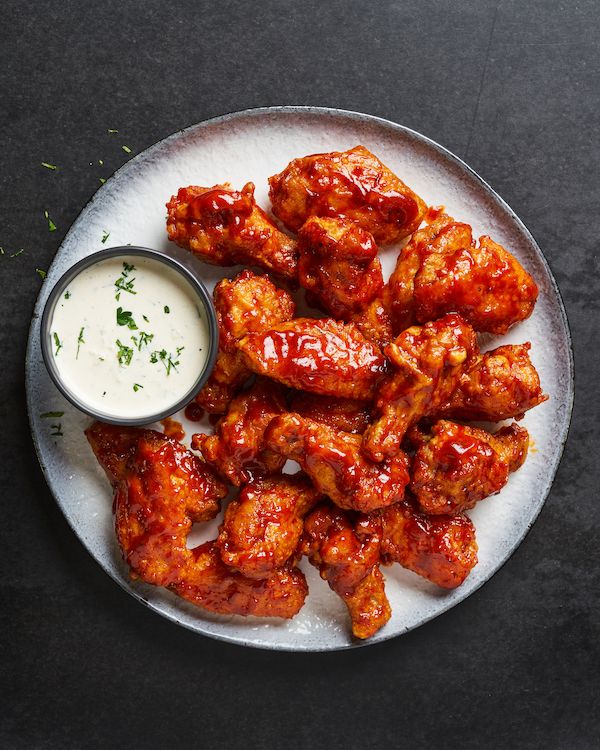
Chicken wings have become a global favorite—whether as game-day snacks, party appetizers, or even main dishes. Their irresistible crunch, flavor-packed sauces, and versatility make them a crowd-pleaser. But beyond the taste, many people ask: What is the nutritional content of chicken wings?
In this extensive article, crafted for Chickasta, we explore the nutritional content of chicken wings in detail. We examine their macronutrients, micronutrients, variations by cooking methods, health benefits, and potential drawbacks. Our goal is to give you an all-encompassing understanding of this beloved food’s place in a healthy diet.
Why Focus on the Nutritional Content of Chicken Wings?
Understanding the nutritional content of chicken wings matters for several reasons:
-
Wings are calorie-dense, and it’s important to know how they fit into your daily intake.
-
Many popular wing recipes involve frying and heavy sauces, altering their nutritional profile.
-
Chicken wings offer protein and important vitamins and minerals—knowing their content helps balance your diet.
-
For those managing weight, cholesterol, or other health concerns, detailed knowledge of nutritional content helps make informed choices.
With Chickasta as your guide, we break down everything from raw wings to your favorite buffalo or BBQ variety.
What Are Chicken Wings? Understanding the Basics
Before we delve into nutritional specifics, a quick primer on chicken wings:
Anatomy of a Chicken Wing
Chicken wings consist of three parts:
-
Drumette: The meaty section attached to the body, resembling a small drumstick.
-
Wingette (Flat): The middle portion with two bones and tender meat.
-
Tip: The pointed end, mostly skin and bone, often discarded in recipes.
Most nutrition tables and recipes refer to wing portions either with or without the tip.
Nutritional Content of Chicken Wings (Raw vs Cooked)
Nutrition can vary widely depending on preparation method, seasoning, and sauce.
1. Raw Chicken Wings (per 100 grams)
| Nutrient | Amount |
|---|---|
| Calories | ~203 kcal |
| Protein | 30.5 g |
| Total Fat | 8.1 g |
| Saturated Fat | 2.2 g |
| Cholesterol | 99 mg |
| Carbohydrates | 0 g |
| Fiber | 0 g |
| Sodium | 82 mg |
| Vitamins | B6, B12, niacin |
| Minerals | Phosphorus, zinc, selenium |
Note: Raw wings are high in protein and moderate in fat, with zero carbs.
2. Fried Chicken Wings
Frying introduces more calories and fat due to oil absorption.
| Nutrient | Amount (per 100g) |
|---|---|
| Calories | 290 – 350 kcal |
| Protein | 25 – 28 g |
| Total Fat | 18 – 24 g |
| Saturated Fat | 4 – 6 g |
| Cholesterol | 85 – 90 mg |
| Carbohydrates | 5 – 10 g (breading) |
| Sodium | 500+ mg (seasoning/sauce) |
The exact numbers vary based on frying method (deep-fry, air-fry), breading, and sauce.
3. Baked Chicken Wings
Baking wings results in fewer calories and less fat compared to frying.
| Nutrient | Amount (per 100g) |
|---|---|
| Calories | 200 – 250 kcal |
| Protein | 28 – 30 g |
| Total Fat | 8 – 12 g |
| Saturated Fat | 2 – 3 g |
| Cholesterol | 80 – 90 mg |
| Carbohydrates | 0 – 2 g |
| Sodium | Depends on seasoning |
4. Grilled Chicken Wings
Grilling adds smoky flavor without much added fat.
| Nutrient | Amount (per 100g) |
|---|---|
| Calories | 180 – 230 kcal |
| Protein | 28 – 30 g |
| Total Fat | 6 – 10 g |
| Saturated Fat | 1.5 – 2.5 g |
| Cholesterol | 80 – 90 mg |
| Carbohydrates | 0 g |
| Sodium | Depends on marinade |
Macronutrient Breakdown: The Core of Chicken Wings
Protein
Chicken wings provide high-quality, complete protein.
Protein is essential for:
-
Muscle repair and growth
-
Immune function
-
Hormone production
At around 25-30 grams per 100 grams, wings are an excellent protein source.
Fat
The fat content is relatively high, especially with skin on and fried preparations.
Fats provide energy but should be monitored for saturated fat intake.
Carbohydrates
Chicken wings naturally have no carbohydrates, but breading and sauces often add carbs, sugars, and sodium.
Micronutrients in Chicken Wings
Chicken wings also provide important micronutrients:
-
Vitamin B6: Supports metabolism and brain health.
-
Vitamin B12: Crucial for red blood cell formation.
-
Niacin (B3): Helps convert food into energy.
-
Phosphorus: Important for bones and teeth.
-
Zinc: Supports immune function and wound healing.
-
Selenium: Acts as an antioxidant.
This makes wings a nutrient-dense choice beyond just protein.
How Different Cooking Methods Affect Nutritional Content
Cooking techniques influence the health profile of chicken wings dramatically.
Frying
-
Increases calories and fat due to oil absorption.
-
Often accompanied by breading, raising carbs and sodium.
-
Can introduce trans fats if unhealthy oils are used.
Baking
-
Less fat, lower calories.
-
Retains protein content.
-
Ideal for those watching weight or fat intake.
Grilling
-
Fat drips off during cooking, reducing total fat.
-
Adds flavor without extra calories.
-
Great for low-carb diets.
Air Frying
-
Similar to baking but crisps skin better.
-
Uses little to no oil, lowering calories.
Popular Chicken Wing Sauces & Their Nutritional Impact
The sauce used on chicken wings can significantly change the calorie and sodium content.
Buffalo Sauce
-
Made with hot sauce and butter.
-
Adds around 30-50 calories per serving.
-
High sodium.
BBQ Sauce
-
Sweet and tangy; high in sugar.
-
Adds up to 70-100 calories per serving.
-
High sugar and sodium.
Teriyaki Sauce
-
Contains soy sauce and sugar.
-
Moderate calories.
-
High sodium.
Garlic Parmesan
-
Cheese and butter based.
-
Higher in saturated fat and calories.
Dry Rubs
-
Seasoning blends without sauces.
-
Minimal calories, better for health.

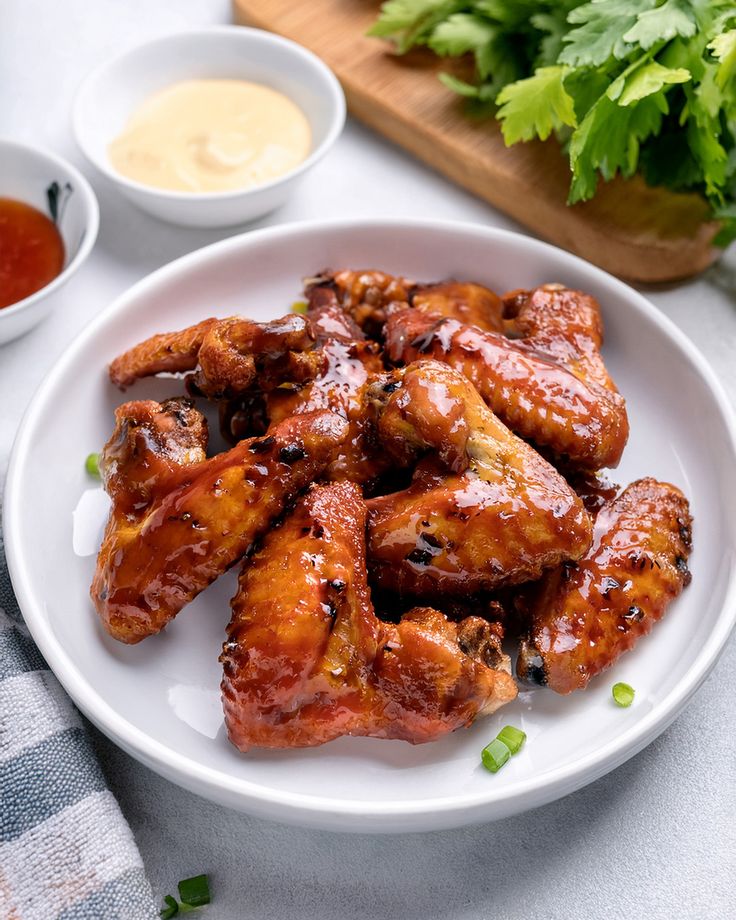
Health Benefits of Chicken Wings
Despite some misconceptions, chicken wings offer real health benefits when consumed wisely.
1. High-Quality Protein Source
Great for muscle maintenance and repair.
2. Rich in B Vitamins
Support energy metabolism and brain function.
3. Essential Minerals
Like zinc and selenium boost immunity.
4. Satiety
Protein and fat combo helps keep you full longer.
5. Versatility for Balanced Meals
Can be paired with veggies and whole grains.
Potential Drawbacks of Chicken Wings
1. High Caloric Density
Especially when fried or covered in sugary sauces.
2. Saturated Fat Content
Skin-on wings have higher saturated fats.
3. Sodium Levels
Sauces and seasonings often add excessive sodium.
4. Potential for Unhealthy Oils
Some frying methods use oils high in trans fats.
How to Make Chicken Wings Healthier
✔ Opt for baking or air frying instead of deep frying.
✔ Use dry rubs instead of sugary sauces.
✔ Remove skin to reduce fat content.
✔ Pair with fresh vegetables.
✔ Control portion sizes.
Chicken Wings in Popular Diets
-
Keto: Wings are great with skin and sauces low in carbs.
-
Paleo: Avoid breaded wings; opt for natural seasonings.
-
Low-Carb: Skip sugary sauces.
-
High-Protein Diets: Excellent for meeting protein needs.
Chicken Wings vs Other Chicken Cuts: Nutritional Comparison
| Chicken Part | Calories (per 100g) | Protein (g) | Fat (g) | Carb (g) |
|---|---|---|---|---|
| Chicken Wings | 203 (raw) | 30.5 | 8.1 | 0 |
| Chicken Breast | 165 | 31 | 3.6 | 0 |
| Chicken Thigh | 209 | 26 | 10.9 | 0 |
| Chicken Drumstick | 185 | 28 | 8 | 0 |
Wings are slightly higher in fat than breast, but comparable in protein.
Tips for Buying Quality Chicken Wings
-
Look for fresh, not frozen wings when possible.
-
Choose organic or free-range for better nutrient profiles.
-
Check for no added sodium or preservatives.
-
Buy from reputable sources like Chickasta for quality assurance.
The Chickasta Difference: Quality & Nutritional Assurance
At Chickasta, we pride ourselves on delivering fresh, nutritious chicken wings that meet the highest standards. Our wings come from healthy birds raised with care, ensuring superior taste and nutritional content.
We also provide recipe ideas and nutritional facts to help you make the best choices.
Pros & Cons Table: Nutritional Content of Chicken Wings
| Pros | Cons |
|---|---|
| High-quality protein essential for muscle growth | High calories when fried or with heavy sauces |
| Rich in essential vitamins (B6, B12, niacin) | High saturated fat content in skin-on wings |
| Contains important minerals like zinc and selenium | Excess sodium in sauces and seasonings |
| Versatile for many cooking methods | Breaded wings add carbs and calories |
| Satiety-promoting combination of protein & fat | Potentially unhealthy oils if fried improperly |
| Can fit into many diet plans (keto, paleo) | Overconsumption can lead to weight gain |
| Skin removal lowers fat and calories | Some sauces are high in sugar and sodium |
| Easy to pair with vegetables for balanced meals | Needs careful portion control |
| Delicious and popular comfort food | Not ideal for low-fat or low-sodium diets |
| Readily available and affordable | Requires mindful cooking methods |
Frequently Asked Questions About Nutritional Content of Chicken Wings
1. How many calories are in a typical chicken wing?
Depending on preparation, 80-110 calories per wing is typical.
2. Are chicken wings healthy?
They provide good protein but can be high in fat and sodium if fried or sauced.
3. Can I eat chicken wings on a diet?
Yes, if you choose baked or grilled versions without sugary sauces.
4. How much protein is in chicken wings?
About 25-30 grams per 100 grams of wing meat.
5. Do chicken wings have carbohydrates?
Naturally no, but breading and sauces add carbs.
6. What vitamins do chicken wings provide?
Mainly B vitamins like B6 and B12.
7. Are chicken wings high in fat?
Skin-on wings contain moderate fat; frying increases this.
8. What’s the best cooking method for healthy wings?
Baking, grilling, or air frying.
9. Can chicken wings raise cholesterol?
They contain cholesterol and saturated fat; moderation is key.
10. Are buffalo wings healthy?
Buffalo wings are spicy but often fried and sauced, adding fat and sodium.
Related posts



Popular Posts
-
 Where Can You Find the Best Korean Fried Chicken in Vancouver?
May 29, 2026 -
Best Mutton Rolls Near Me – Chickasta’s Signature Street Food Delight
September 24, 2025 -
The Best Dosa in Langley – Authentic South Indian Cuisine at Chickasta
September 25, 2025 -
 Where to Find the Best Samosas in Vancouver: A Complete Guide by Chickasta
September 27, 2025 -
Best Samosas in Vancouver – The Ultimate Chickasta Guide for Food Lovers
September 27, 2025
 Where Can You Find the Best Korean Fried Chicken in Vancouver?
  Best Mutton Rolls Near Me – Chickasta’s Signature Street Food Delight
  The Best Dosa in Langley – Authentic South Indian Cuisine at Chickasta
  Where to Find the Best Samosas in Vancouver: A Complete Guide by Chickasta
  Best Samosas in Vancouver – The Ultimate Chickasta Guide for Food Lovers
Recent Comments